.png)
For the 2025 period, we focus on artists using blockchain as an artistic medium to drive this critical conversation: around blockchain’s shortcomings and potential. Winners of the inaugural prize will gain exposure for themselves and their work.
On May 1–3, 2026 at Trust (Kluckstraße 25, Berlin) we celebrated this year's winners. More information about the event can be found here - Opening: 1 May 2026, 3pm.
Inspired by the Cascade Funding Model, JUST has selected GLITCH, spearheaded by Primavera de Filippi, to manage the selection and evaluation of artists who apply.
What is GLITCH?
GLITCH is a collective of avant-garde artists and visionaries operating at the intersection of art, technology, and societal transformation. The collective transcends traditional institutional boundaries, uniting a variety of polymaths who share a passion for collaborative exploration and a commitment to open source ideals. As such, GLITCH does not just create art, it catalyzes new paradigms for creativity, dissolving boundaries between disciplines while building an open ecosystem that embraces collaborative creation and technological innovation as pathways to artistic exploration.
COALA, The org behind GLITCH
COALA is a unique, collaborative, global and multidisciplinary community that brings together individual experts in the decentralized ecosystem to explore the implications and deployment of blockchain technologies at the nexus of our evolving social and economic order in the 21st century.
The Grant + Prize Structure
• Funds can be used to address costs including those associated with living expenses, technical costs, other art creation expenditures. Awarding three €6.000 micro-grants.
• Awarding a grand prize of up to €50,000.
To submit an application, you must meet the eligibility requirements below:
• Applicants must be based in Europe
• Applicants may be collectives or Individuals
• No Companies or Traditional Institutions
• Applicants are limited to one application
Please bundle the following materials into one PDF, where possible, including links and portfolio separately if need be.
When you hit the 'Apply' button, you will be redirected to an email browser. Submit your application as an attachment, with a brief email body intro.
The submission should include:
• A video motivation letter and bio(3-5 minutes in length)
• Portfolio: website, videos, and images allowed (accepted file types: .pdf, .jpg, .png, .mp4, .mov) at the highest possible resolution• Written Artistic concept (500-1000 words)• One-Page Resume
Thematic relevance
The proposed artwork must align with one of the four established themes - See Focus Area Tab
Blockchain as a medium
The project must demonstrate blockchain integration through either a smart contract implementation, or a clear justification of what it qualifies as "blockchain as a medium" (i.e. with innovation beyond basic NFT functionalities).
Open Source Requirement
• All project components must be open source
• Must be licensed under a standard open source license
Project Novelty
• Projects need not be conceptually novel
• Projects shouldn't have been implemented in other calls
• Implementation must be eligible for exclusive grant status, and it must qualify for promotional purposes without stakeholder conflicts
Applications will be accepted on a rolling basis and will close when the three grantees have been selected. It is to your advantage to get applications in as early as possible.
Open Call – ROLLING: May 30 - Aug 10, 2025 [EXTENDED]
Micro-Grant Recipients Announced: Aug 11, 2025
Grantee Exhibition: May 1 - 3, 2026
Prize Selection and Dinner: May 2026
Grand Prize Exhibition: June 2026
Grantees are expected to produce an original work for exhibition in November. The work need not be in its final form, but should clearly showcase the concept the artist wants to convey.
Selection for the grand prize will be made based on the Grantee Showcase submissions. The grand prize will allow the artist to complete the full scope of work for their own solo exhibit in 2026.
Additionally, We expect:
• Regular check-ins
• A single piece or body of work that fulfills the theme requirements
• A record of how money was allocated
We want projects to explore the following themes:
• Privacy as a human right
• Data sovereignty
• Economic rights
• Censorship resistance
All applications will be evaluated by our call partner, GLITCH.
A Master’s student of Political Science at the University of Bonn, Germany, Elena is a research assistant at the Centre for Advanced Security, Strategic and Integrations Studies (CASSIS), working for the project “Infrastructures of China’s Modernity.”
She is investigating how blockchain-based governance relates to space making. Her project starts from the observation that blockchain-enabled collectives – especially experimental approaches to develop new types of communities – manifest within spatial confines and develop specific territorial features. She aims to advance the current edge of social science research on blockchain futures by exploring two case studies of existing network collectives affiliated with the Ethereum protocol, whose practices of self-infrastructuring are, crucially, temporarily or permanently affiliated with a given territory in physical space.
Felix is a researcher and advisor at BlockchainGov and ecosystem manager at TUM Think Tank in Munich.
While blockchain technology has transformed decision-making by shifting control to distributed networks, many web3 ecosystems struggle with developing effective governance mechanisms. Often, blockchain technologists lack the expertise to build robust governance solutions and navigate complex legal, regulatory, and ethical challenges.
To address this skills gap, this research project is developing a competency framework that establishes blockchain governance as a recognized field of expertise. This framework will define essential skills and knowledge areas, validate them through expert interviews, and provide educational resources for training stakeholders. By bridging academic research with practical application, this initiative aims to professionalise blockchain governance and cultivate a pipeline of skilled governance experts in the web3 community.
Charlie is Doctoral Researcher at Oxford Brookes University and a Strategic Designer at Dark Matter Labs.
With rising material and labour costs, and a reduction in grant-availability, it is increasingly difficult to finance common good projects like affordable housing, community centres, music venues, and local food initiatives.
Piloted in two Berlin civic spaces, this project aims to explore the initial design parameters for a Neighbourhood Wealth Transfer (NWT) mechanism, which utilises web3 technologies to manage and distribute community-generated revenue transparently and equitably towards community initiatives.
Benjamin is a Scientific Researcher at the Institute for Applied Blockchain at the Digital Business University in Berlin.
Over the past two decades, his scholarly pursuit has centred on system theory and the development of a global education theory grounded in digital literacy. This journey has led him to explore the transformative potential of blockchain technology within these fields. His research investigates the intersection of blockchain technology and global education, particularly how blockchain can revolutionise educational frameworks through enhanced data security, certification authenticity, and decentralised governance.
Through a series of international research projects and academic engagements, including fieldwork in Africa, Japan, and Australia, he has examined the sociological implications of integrating blockchain into educational systems. His findings suggest that blockchain can address key challenges in global education, such as ensuring equitable access to learning resources, maintaining the integrity of academic credentials, and supporting personalised learning pathways. His project will investigate and highlight the potential of blockchain technology to drive innovation and equity in global education.
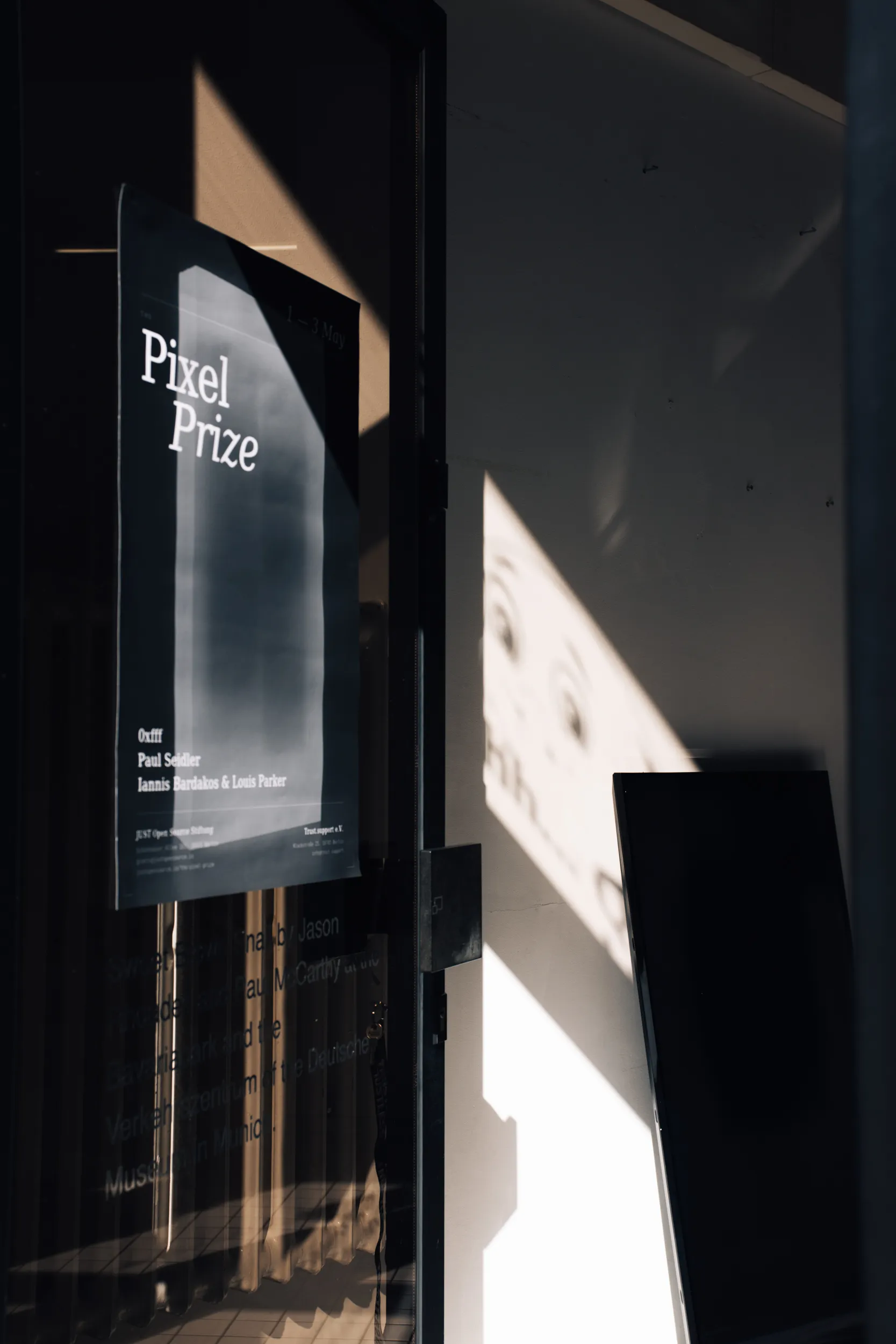
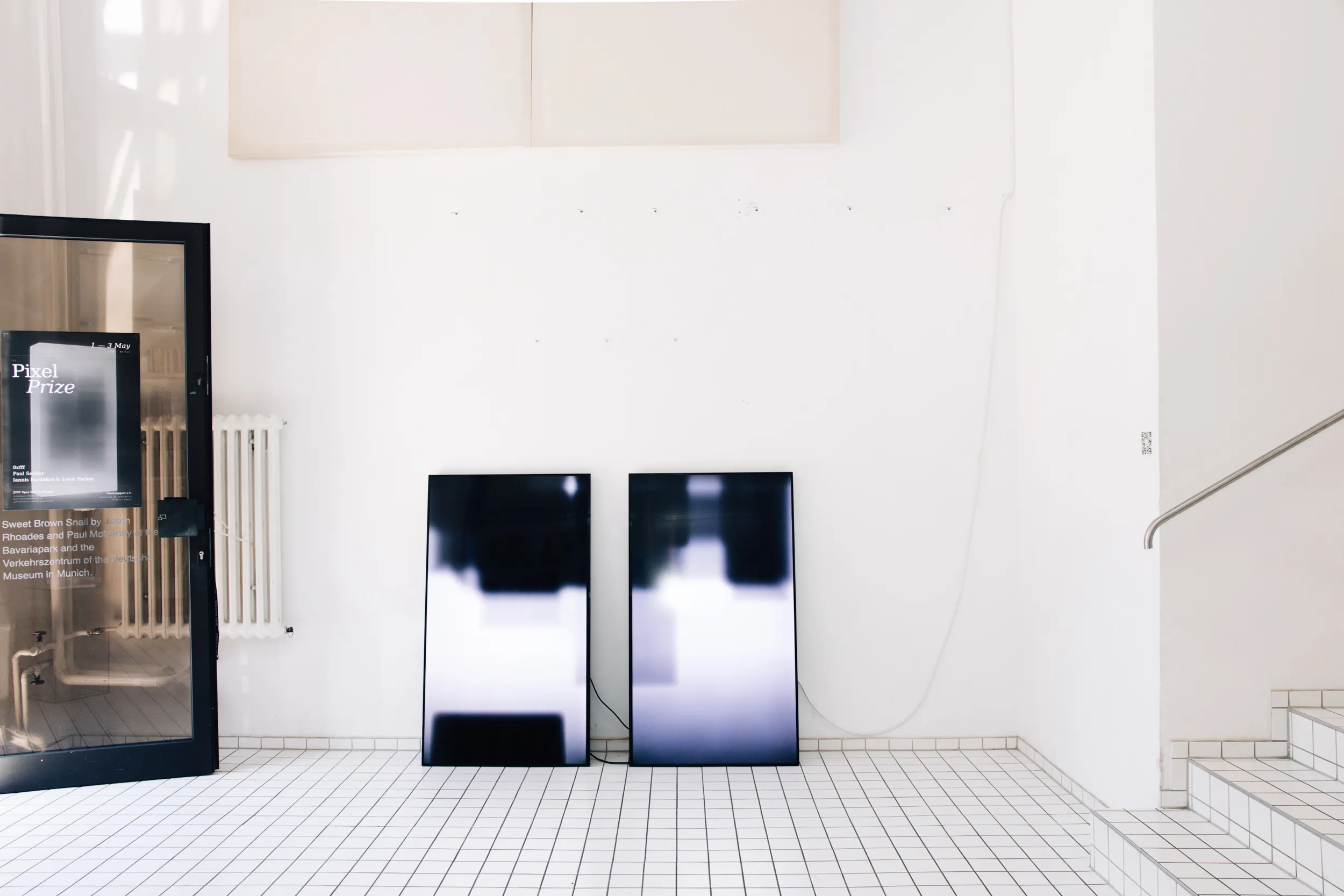
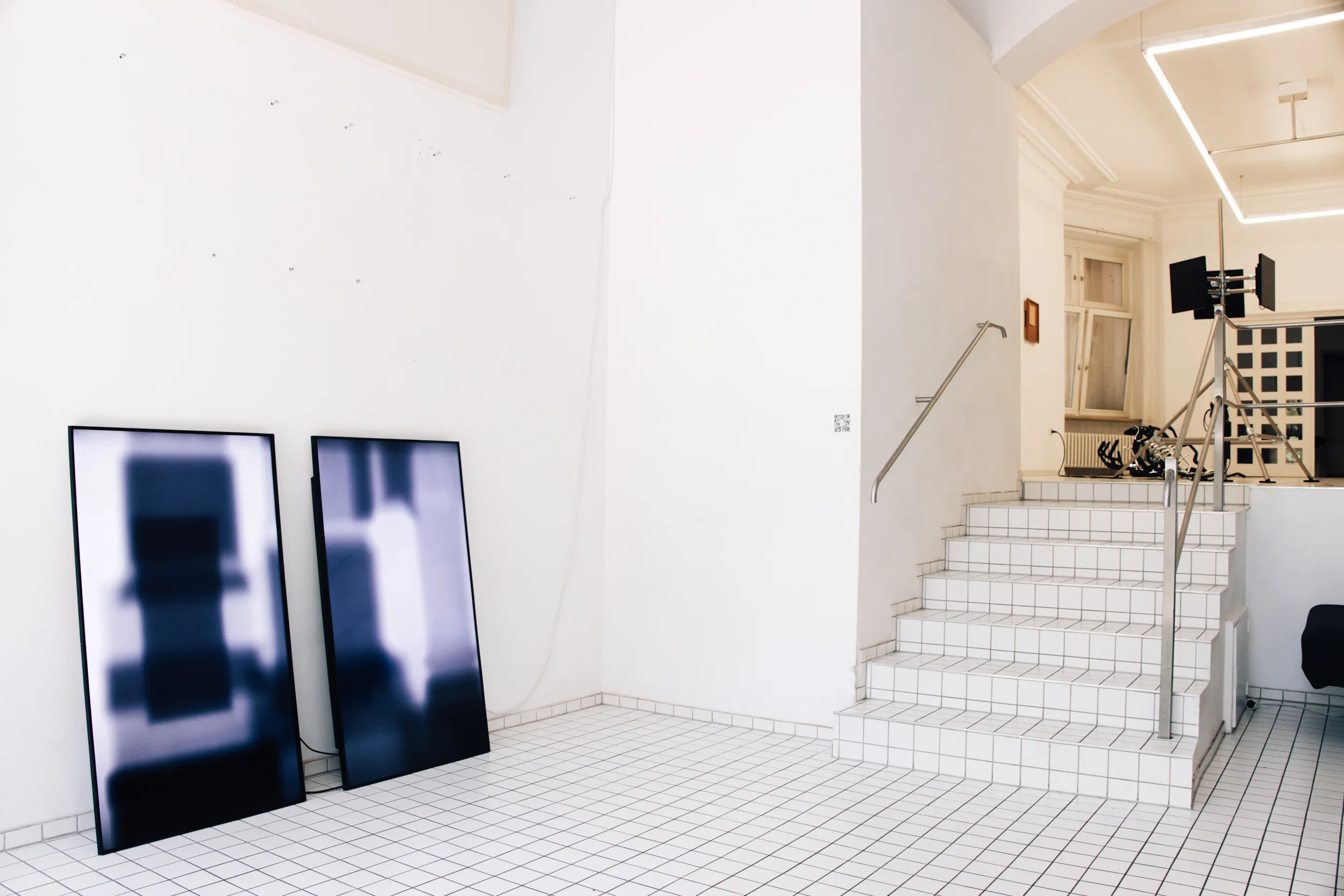

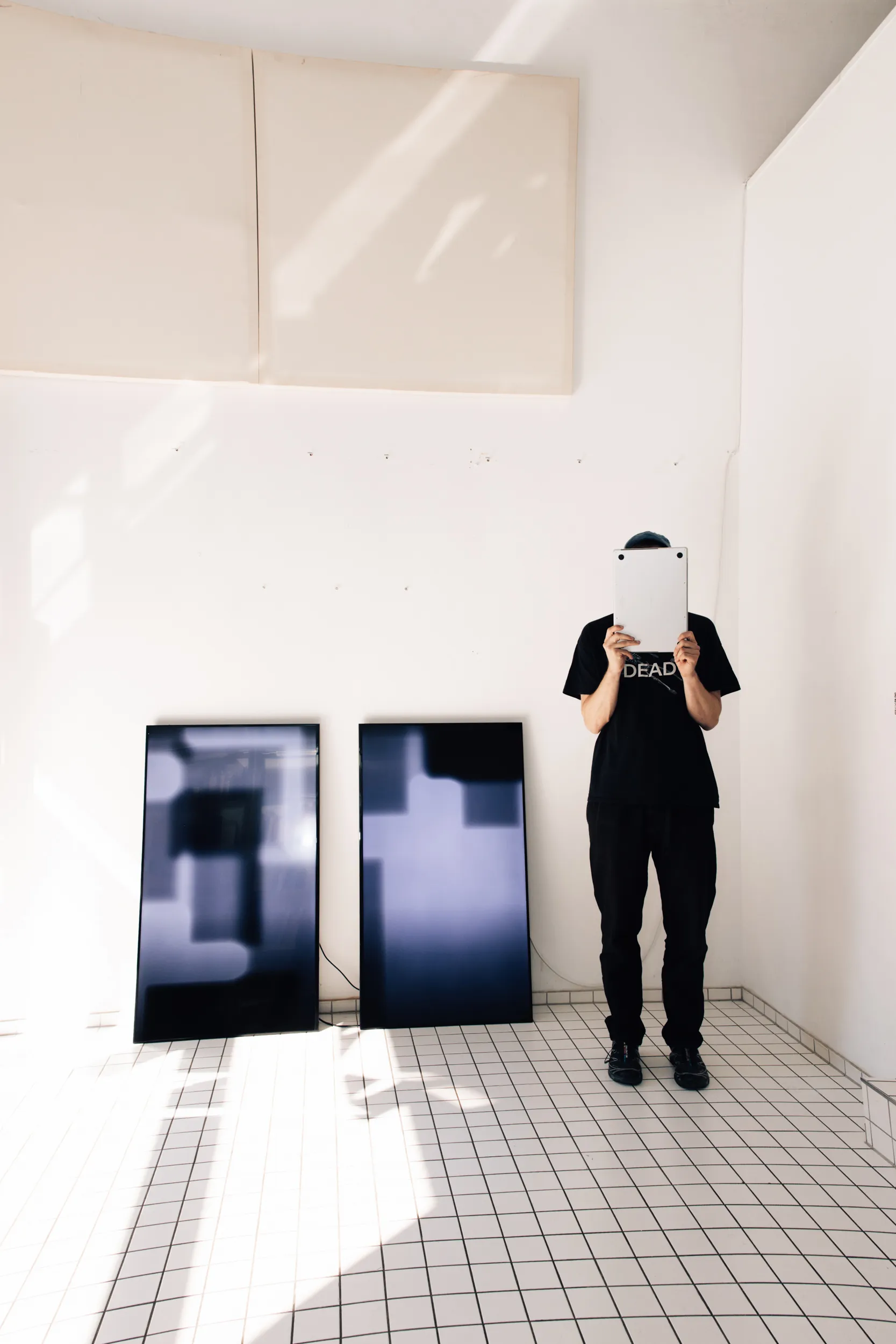

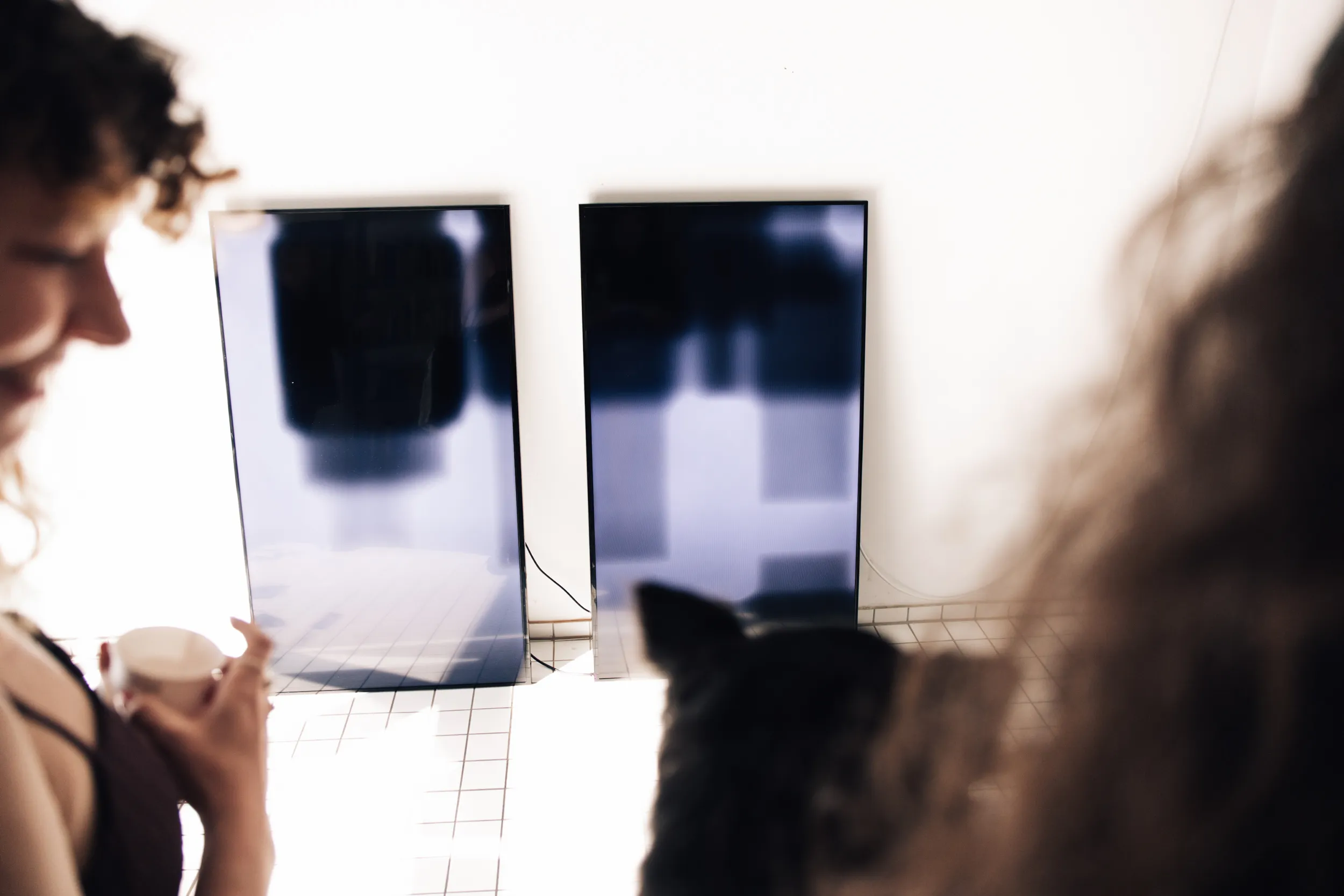
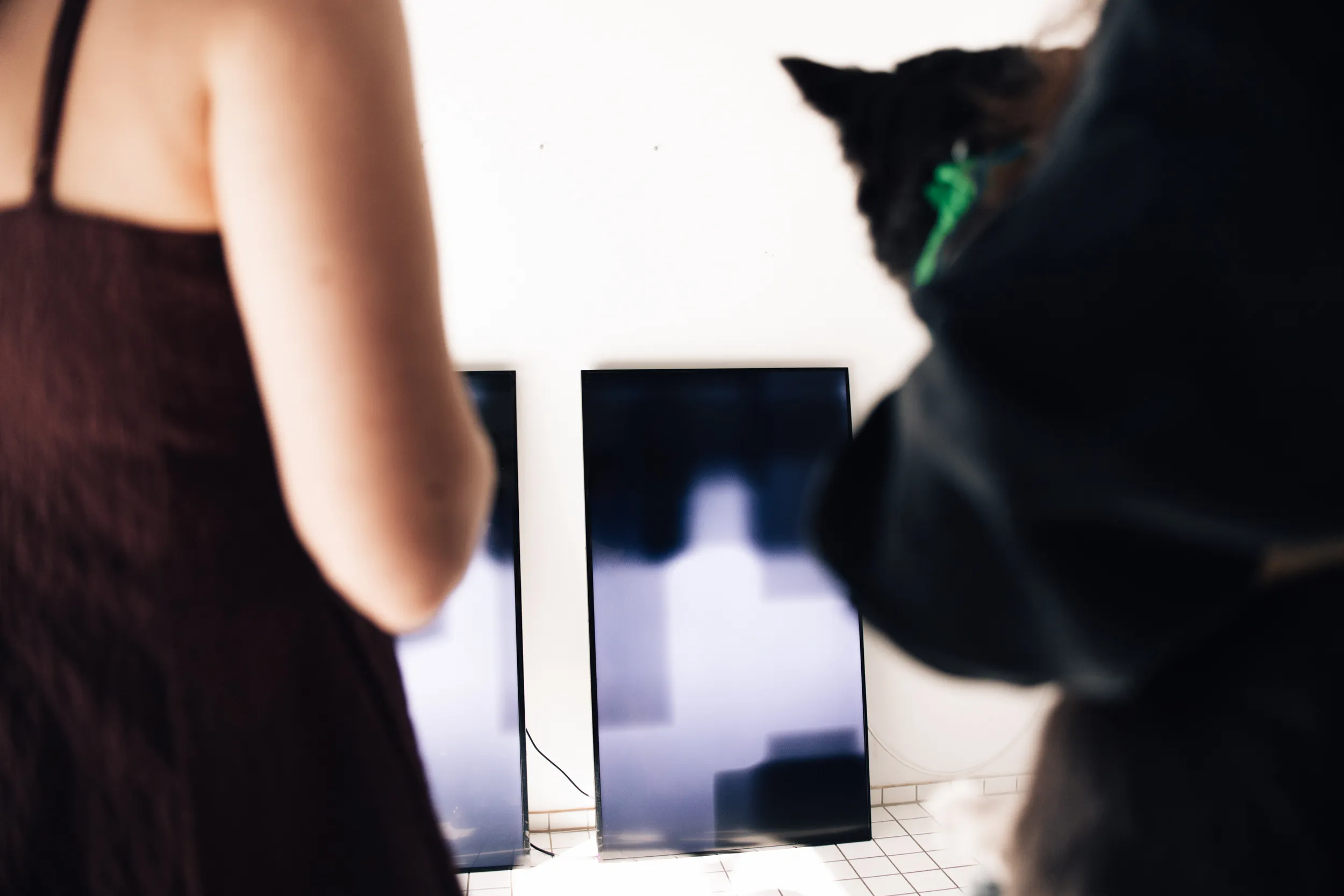
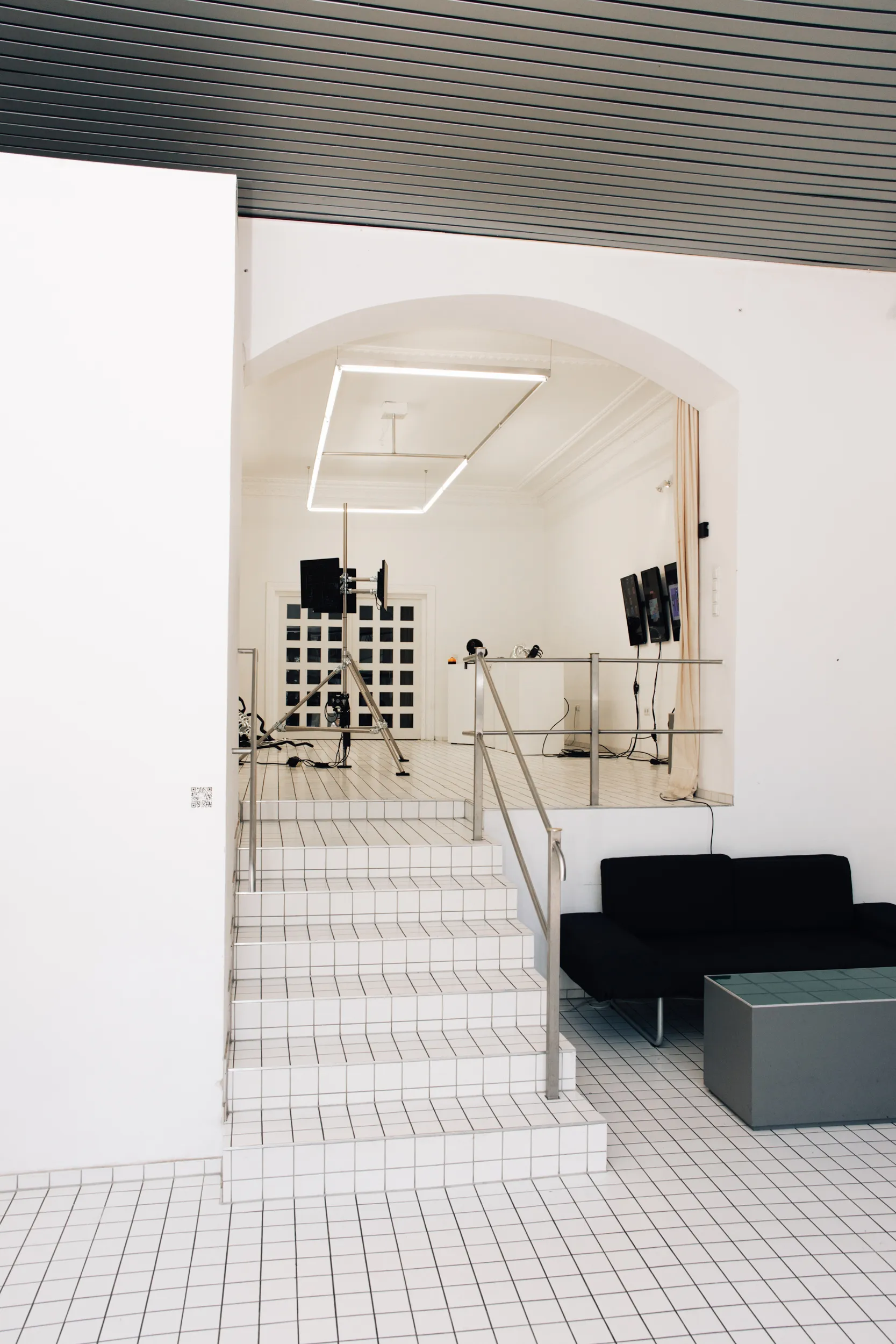
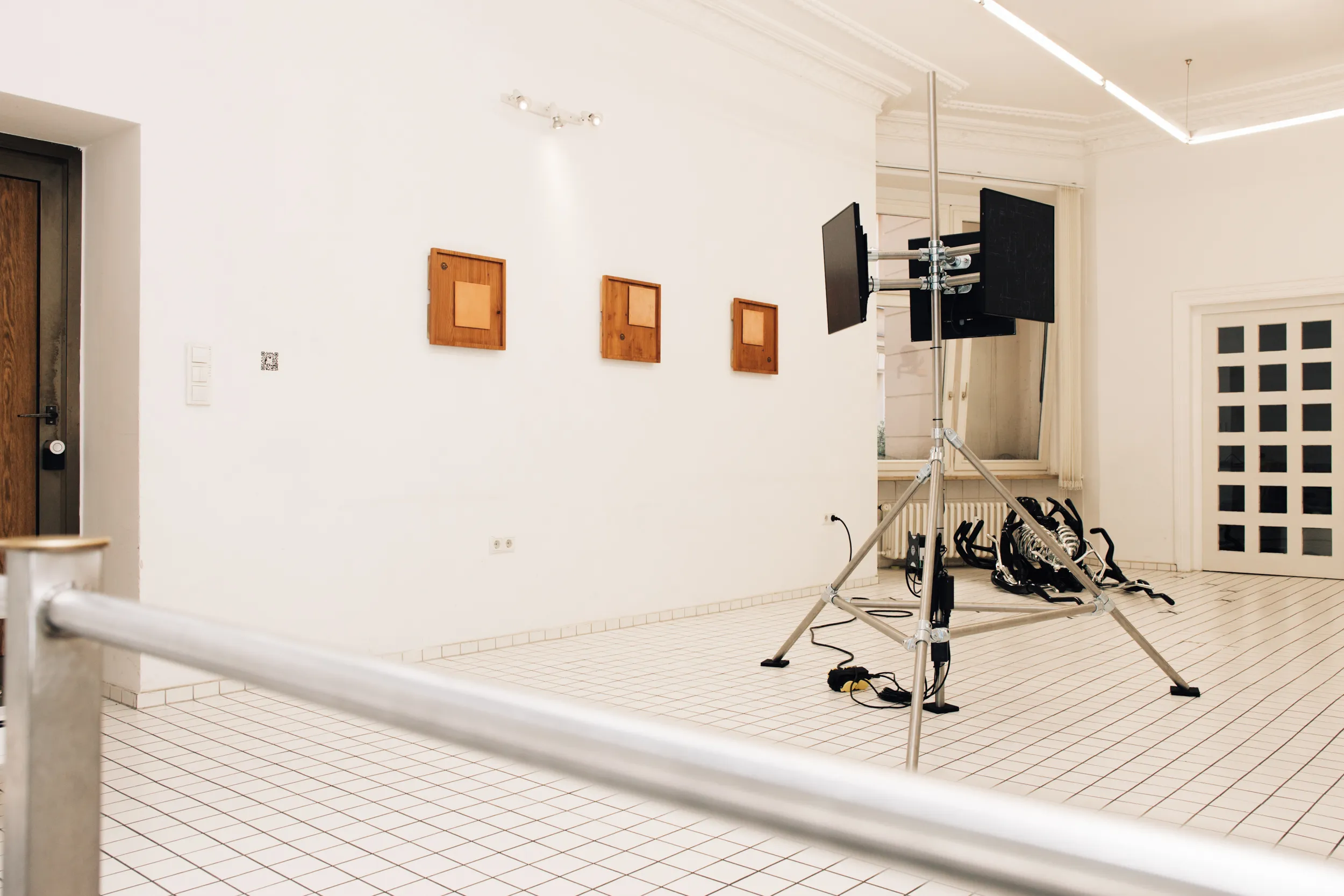
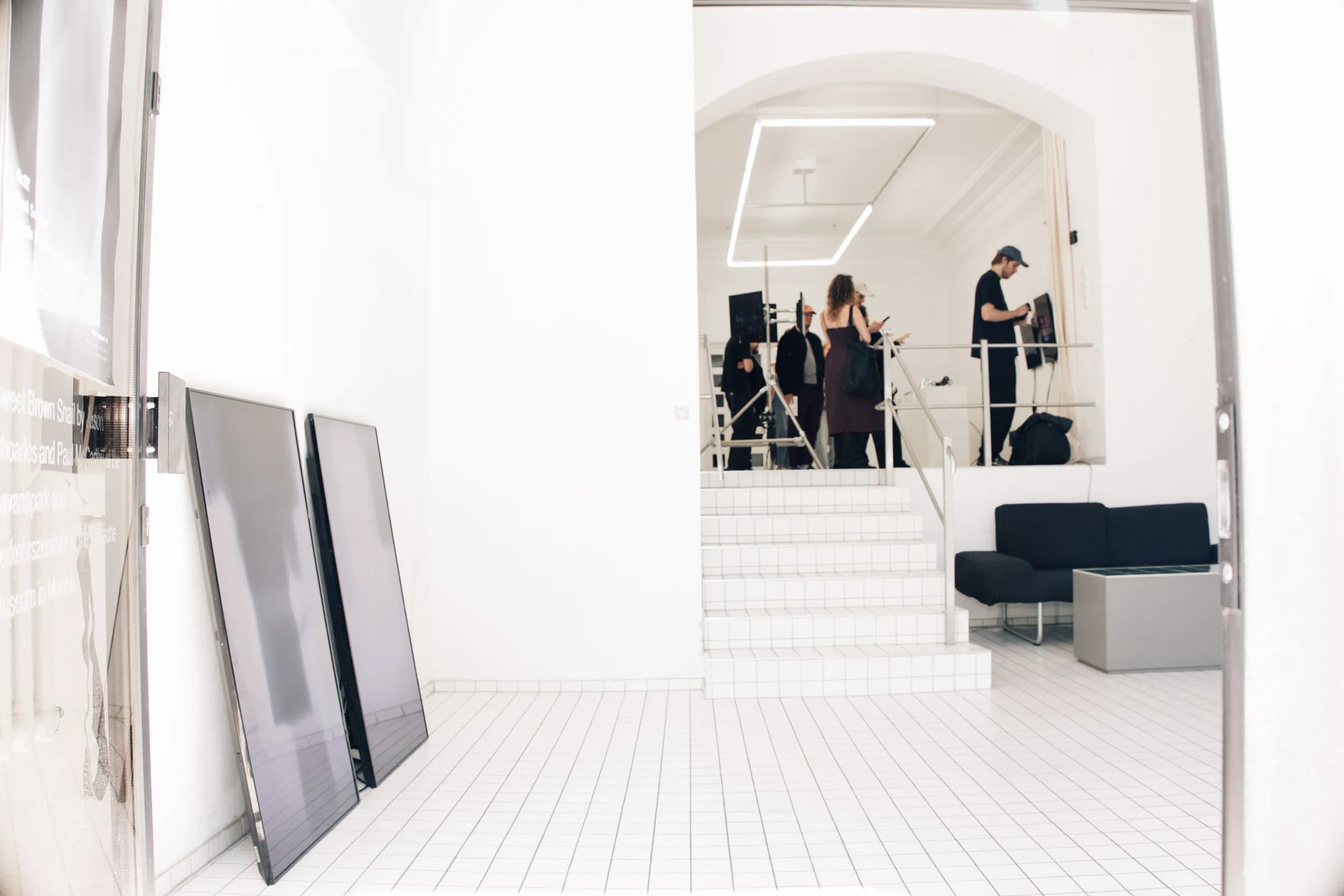
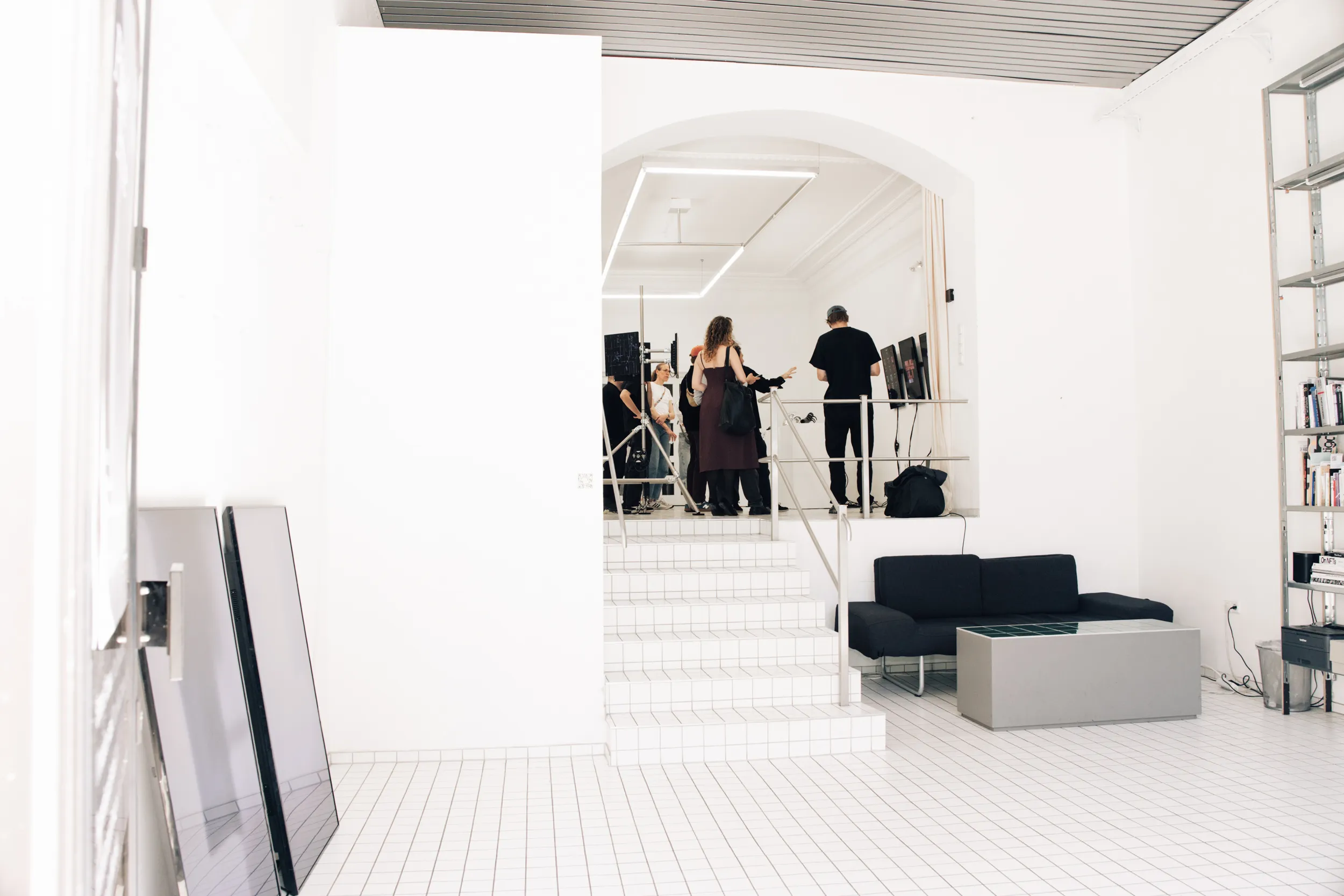
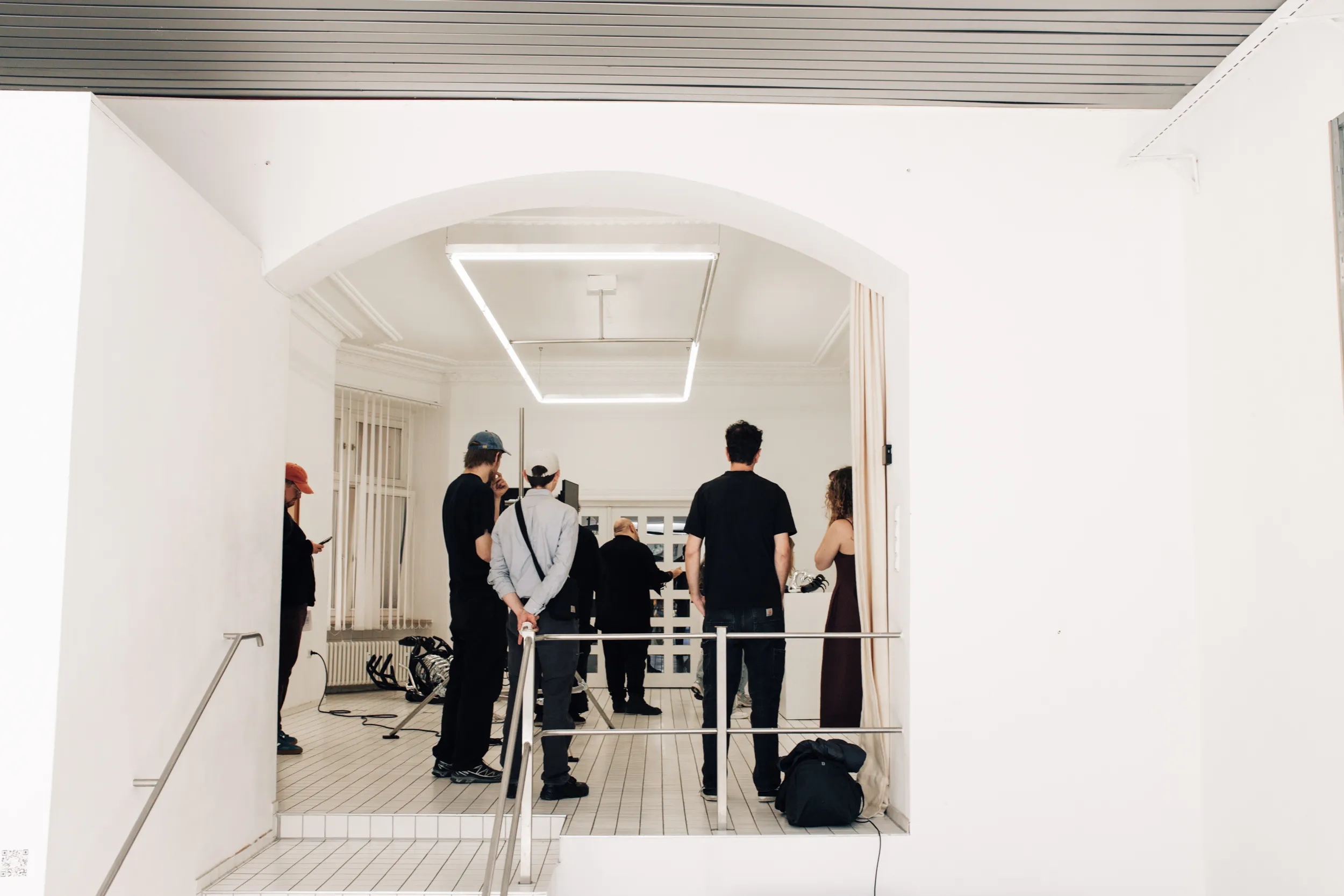

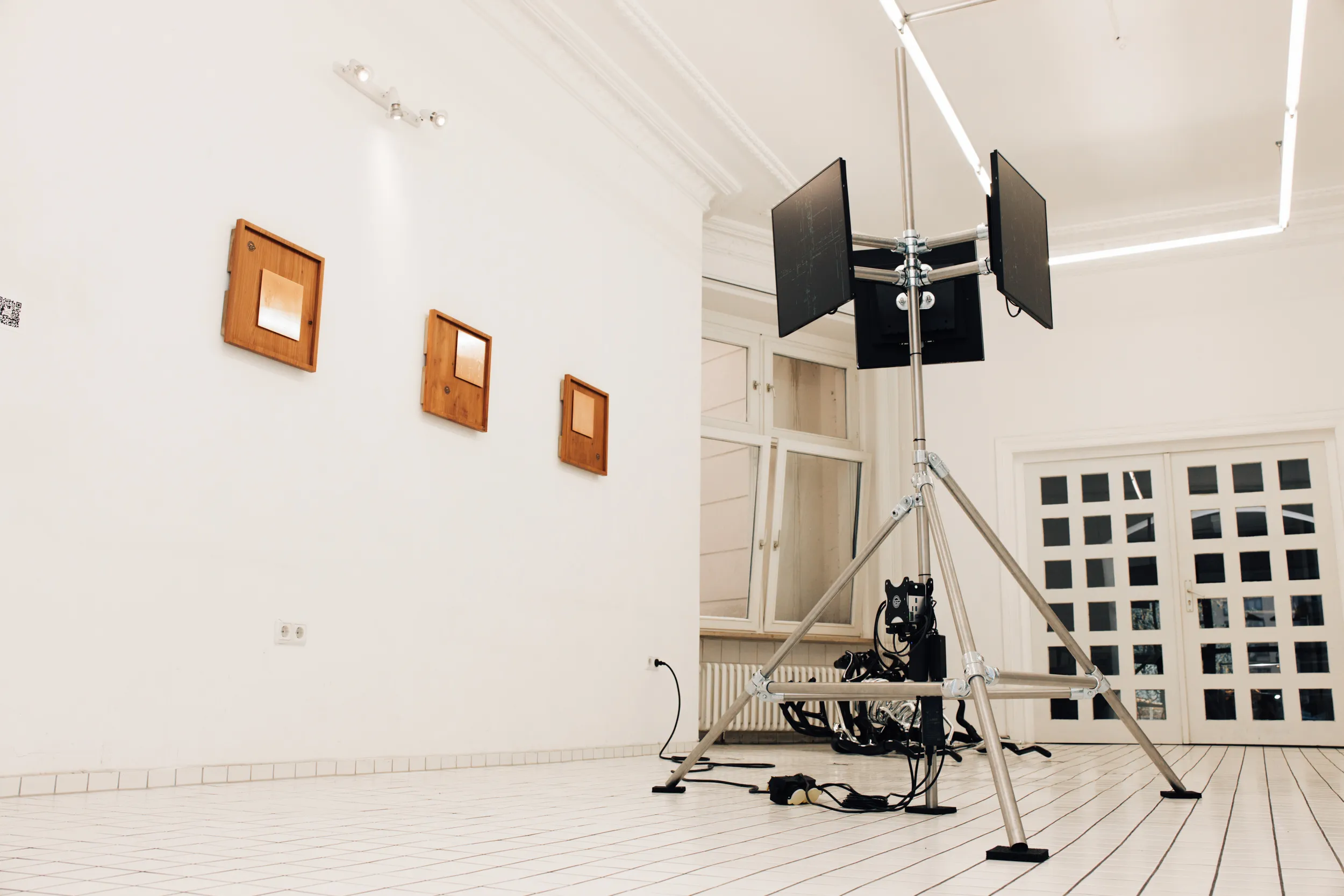
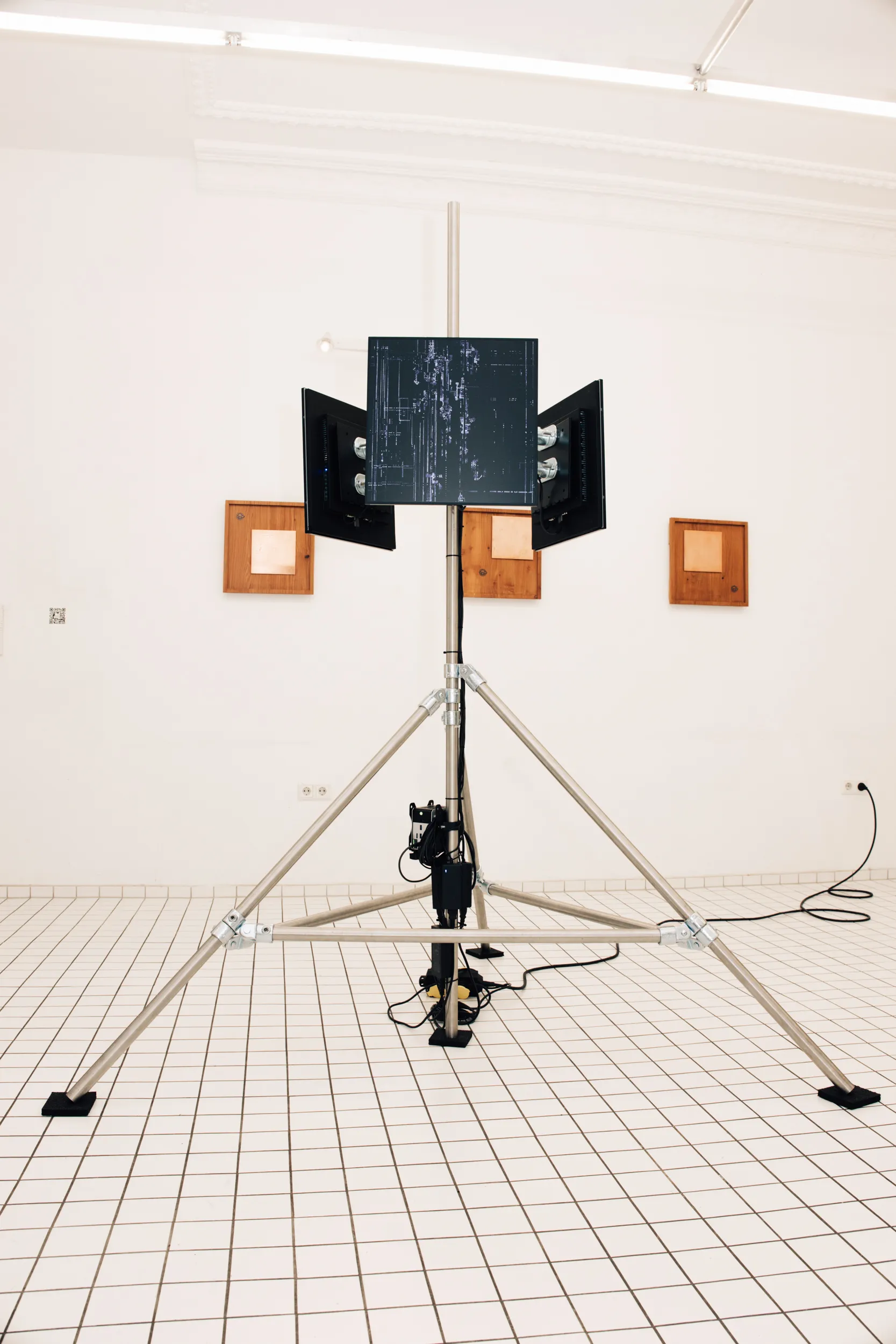
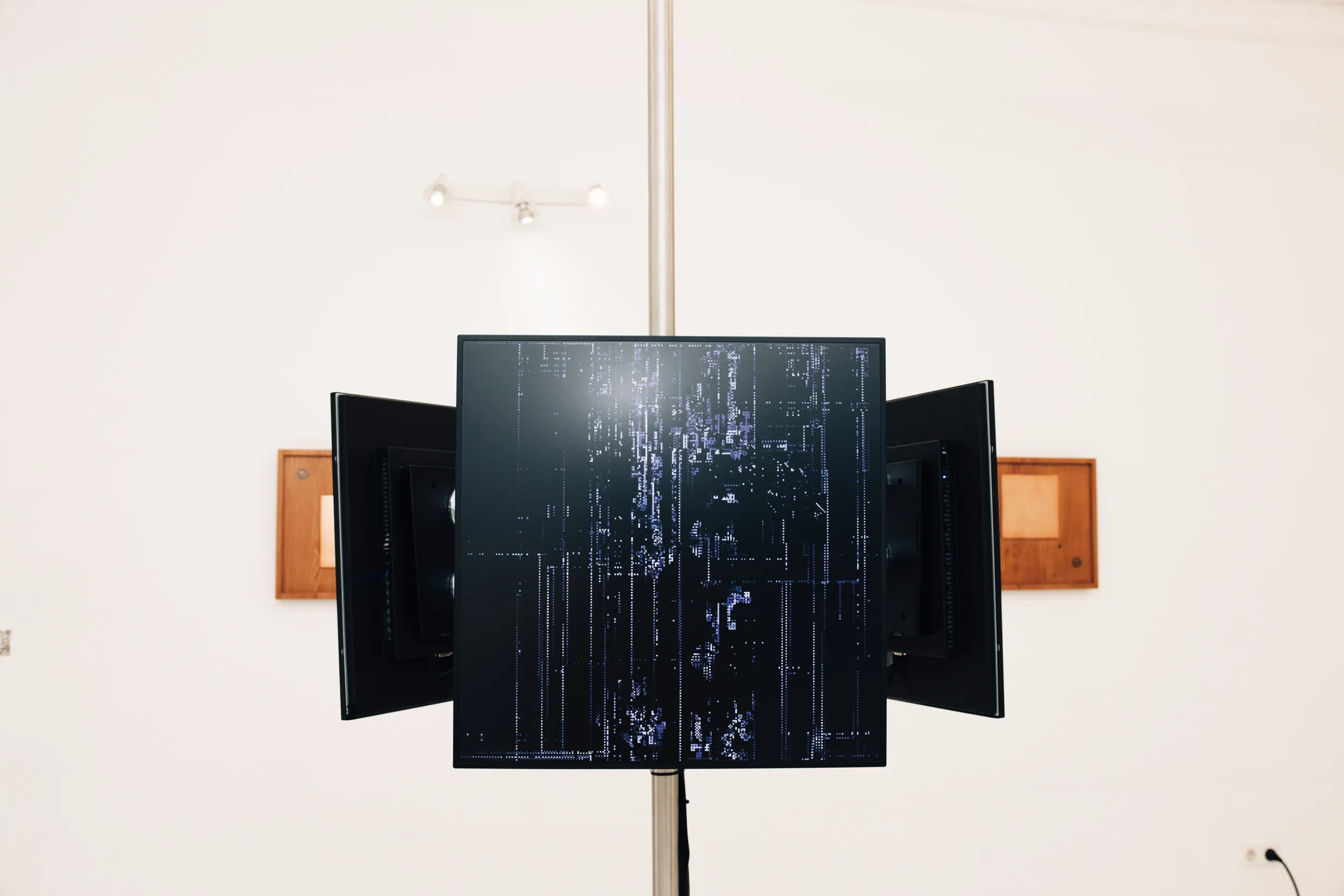
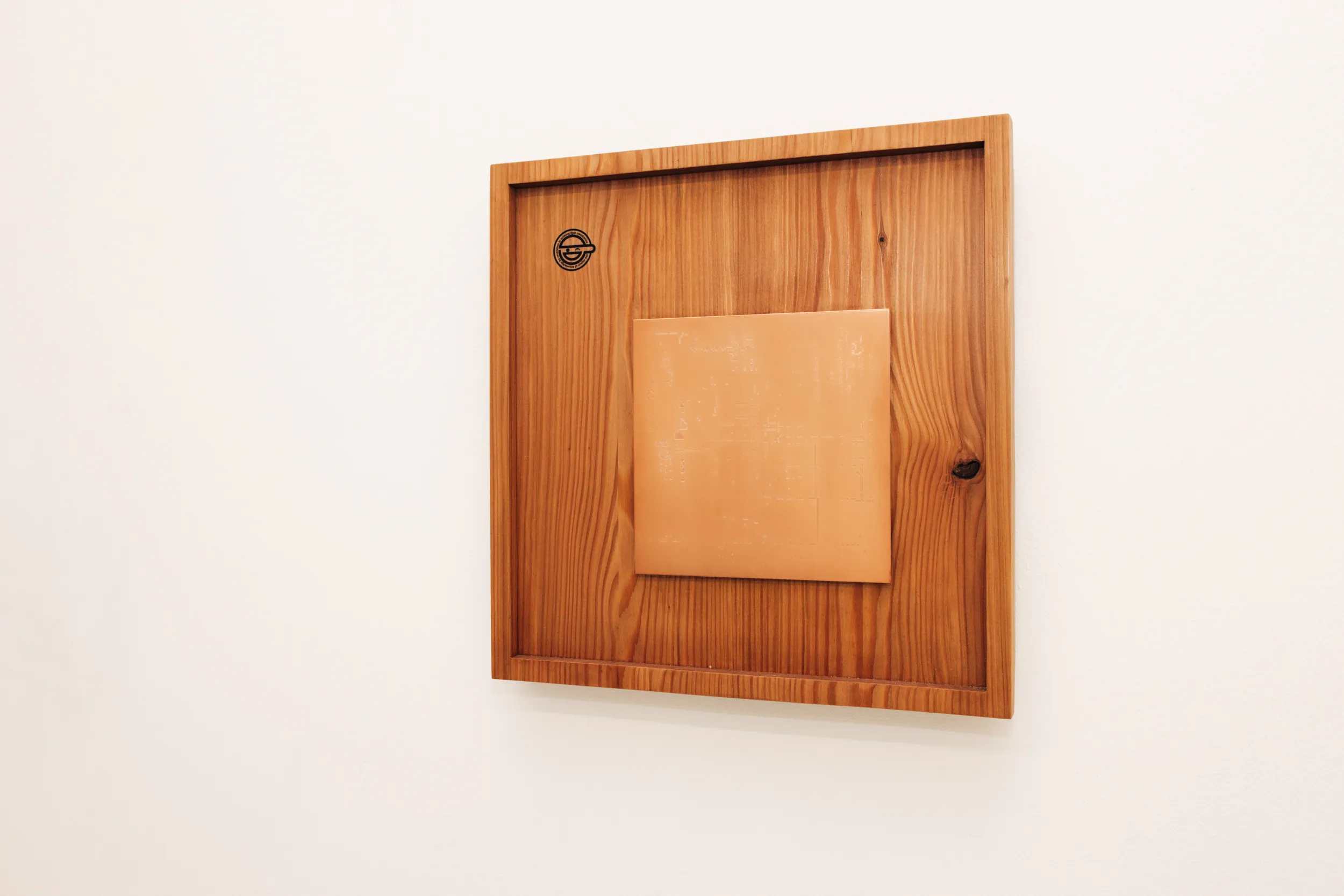

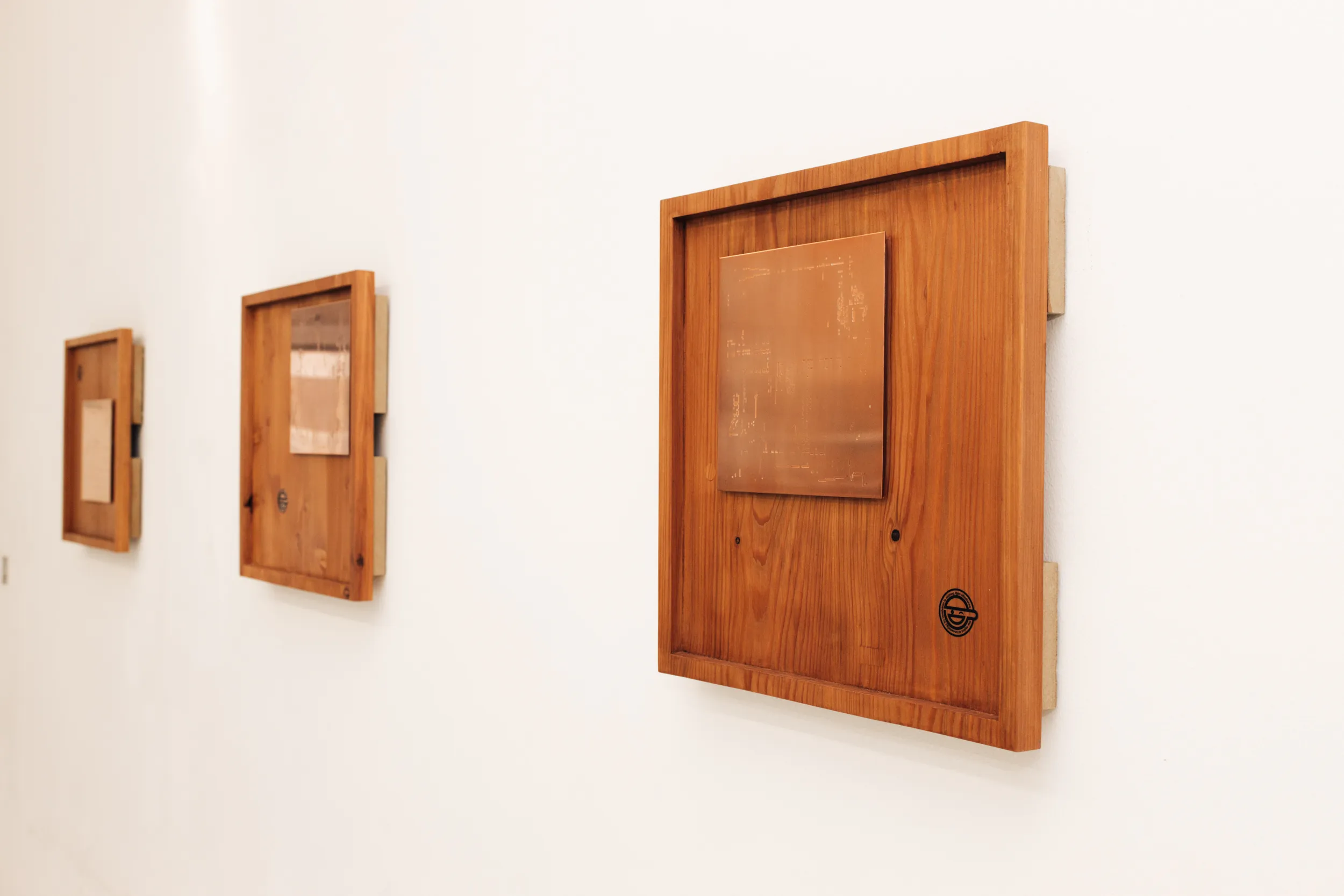

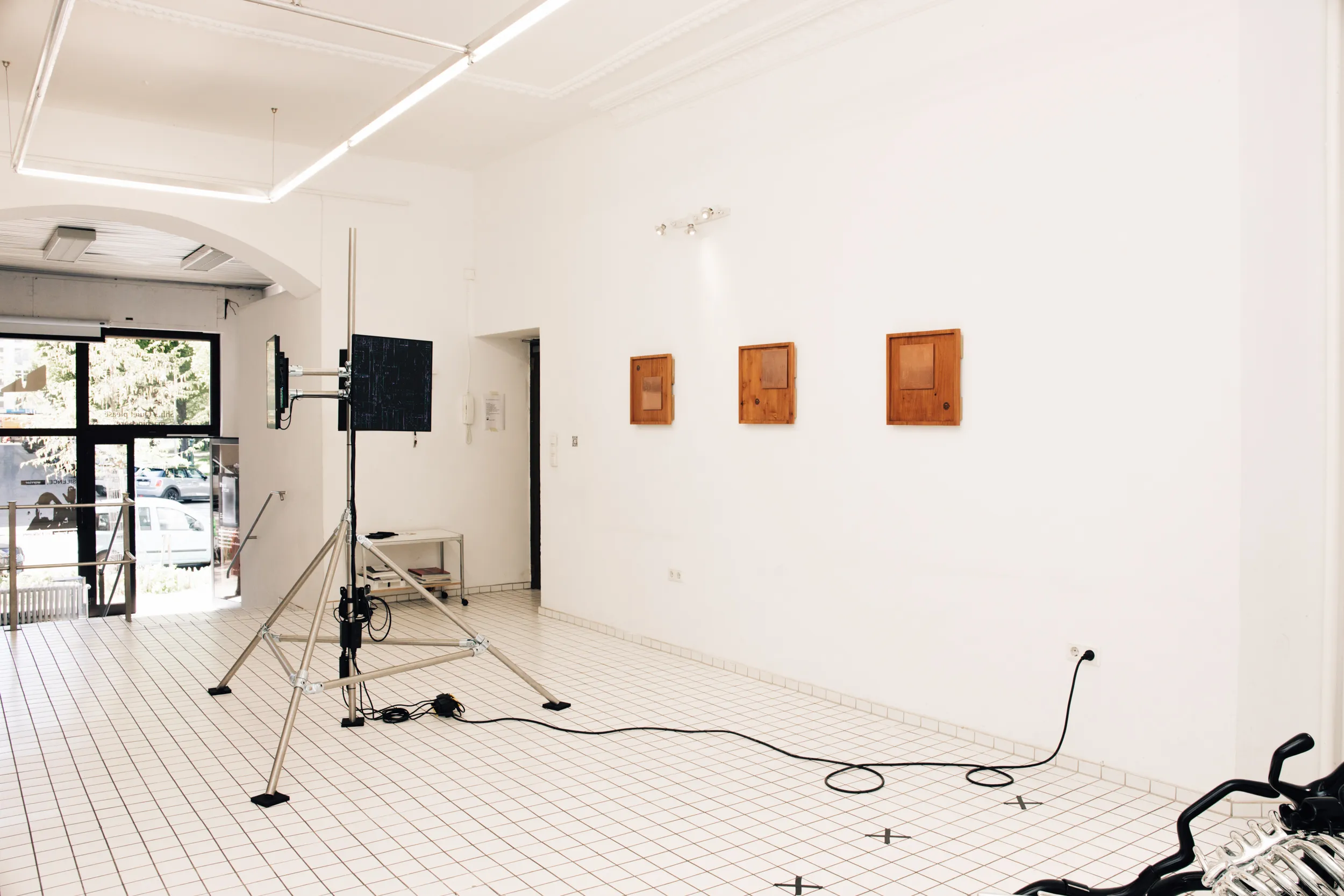
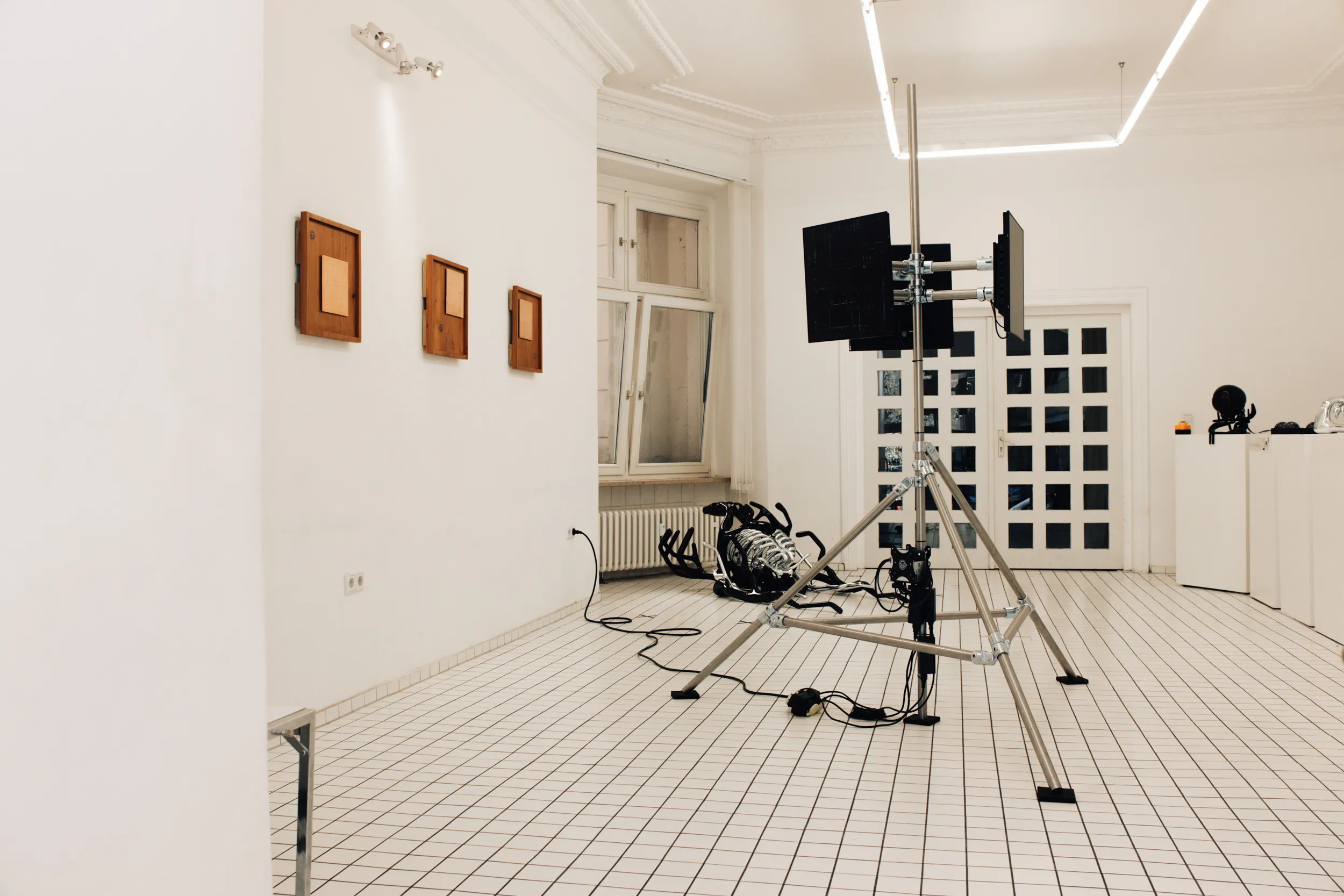
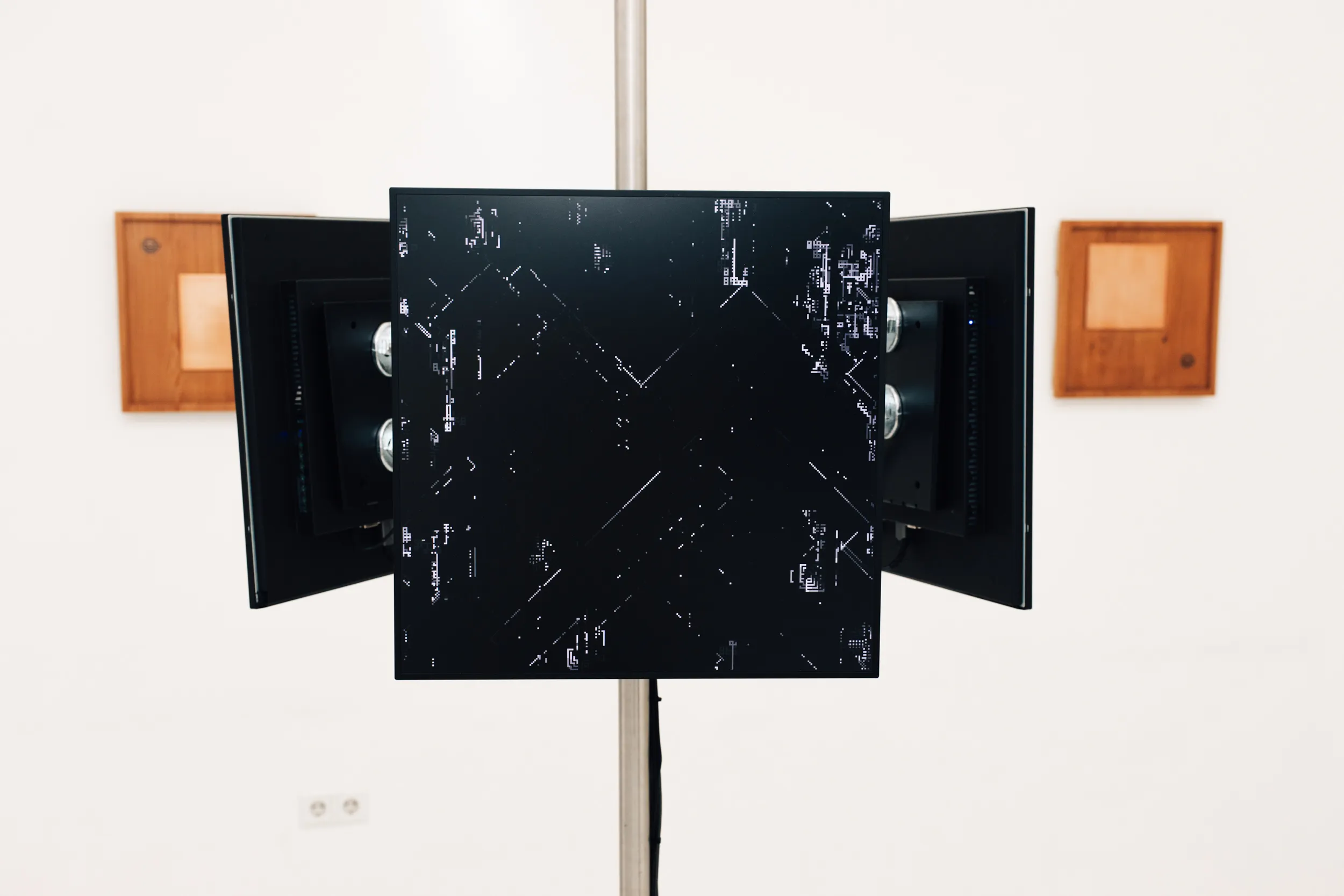
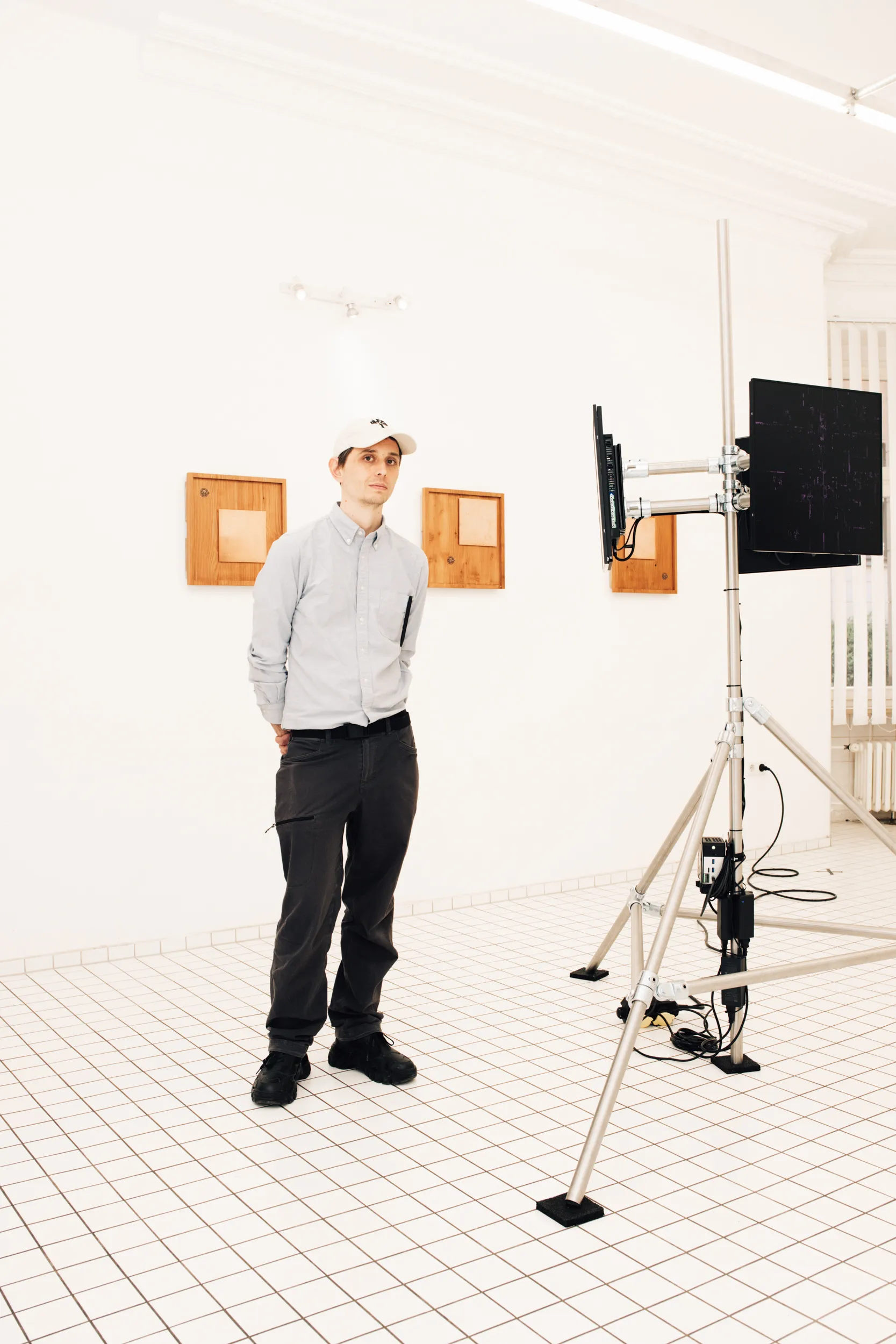
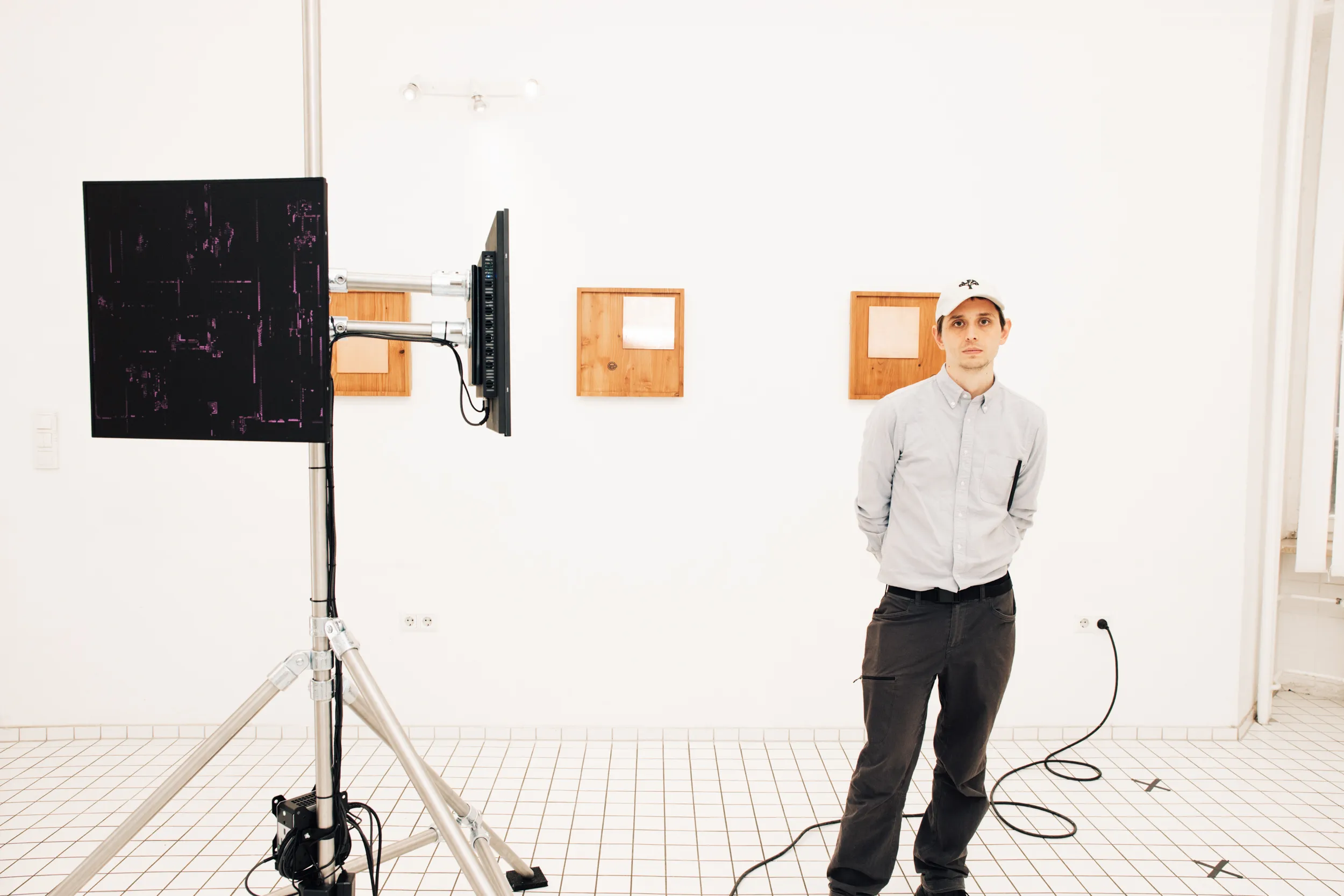

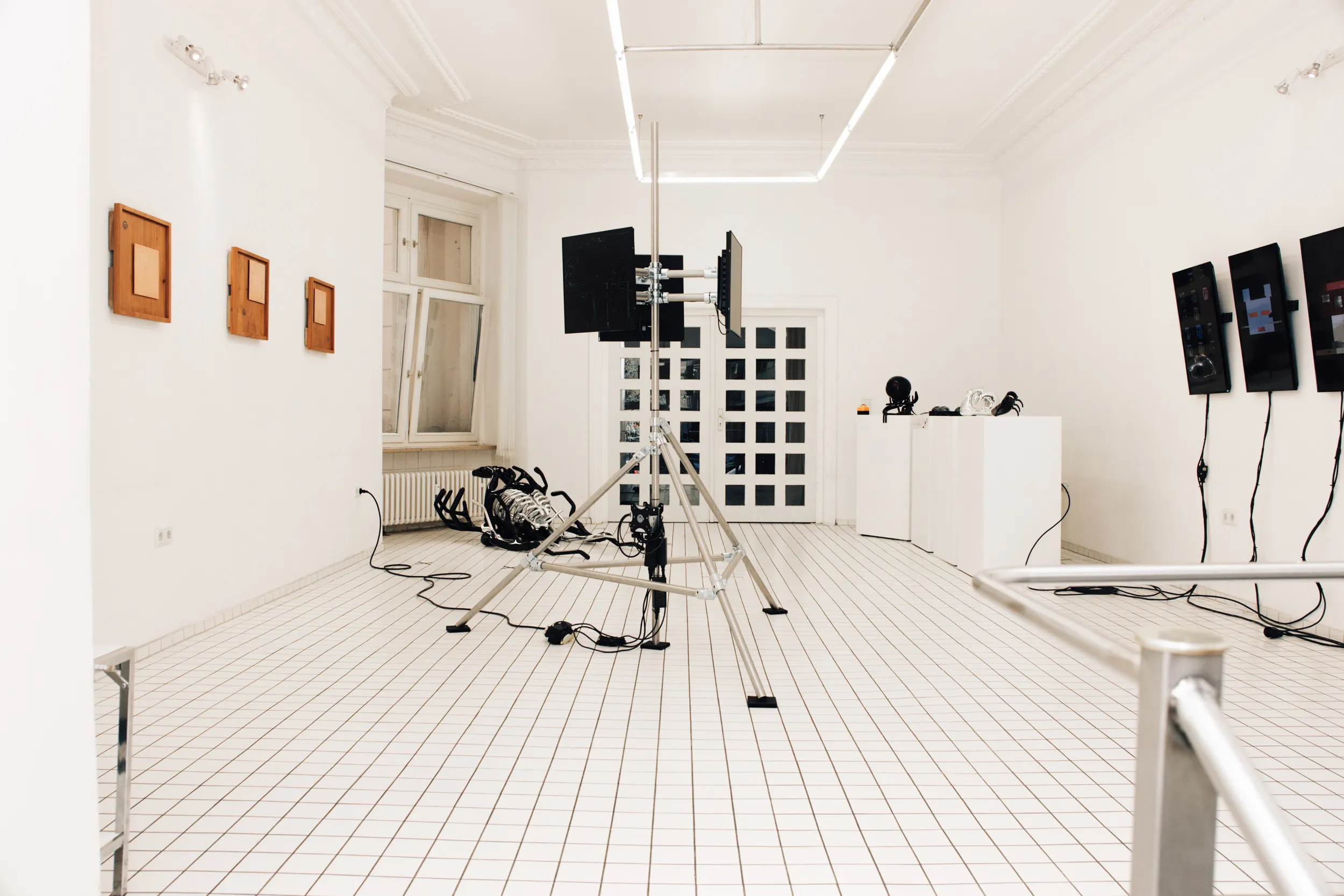
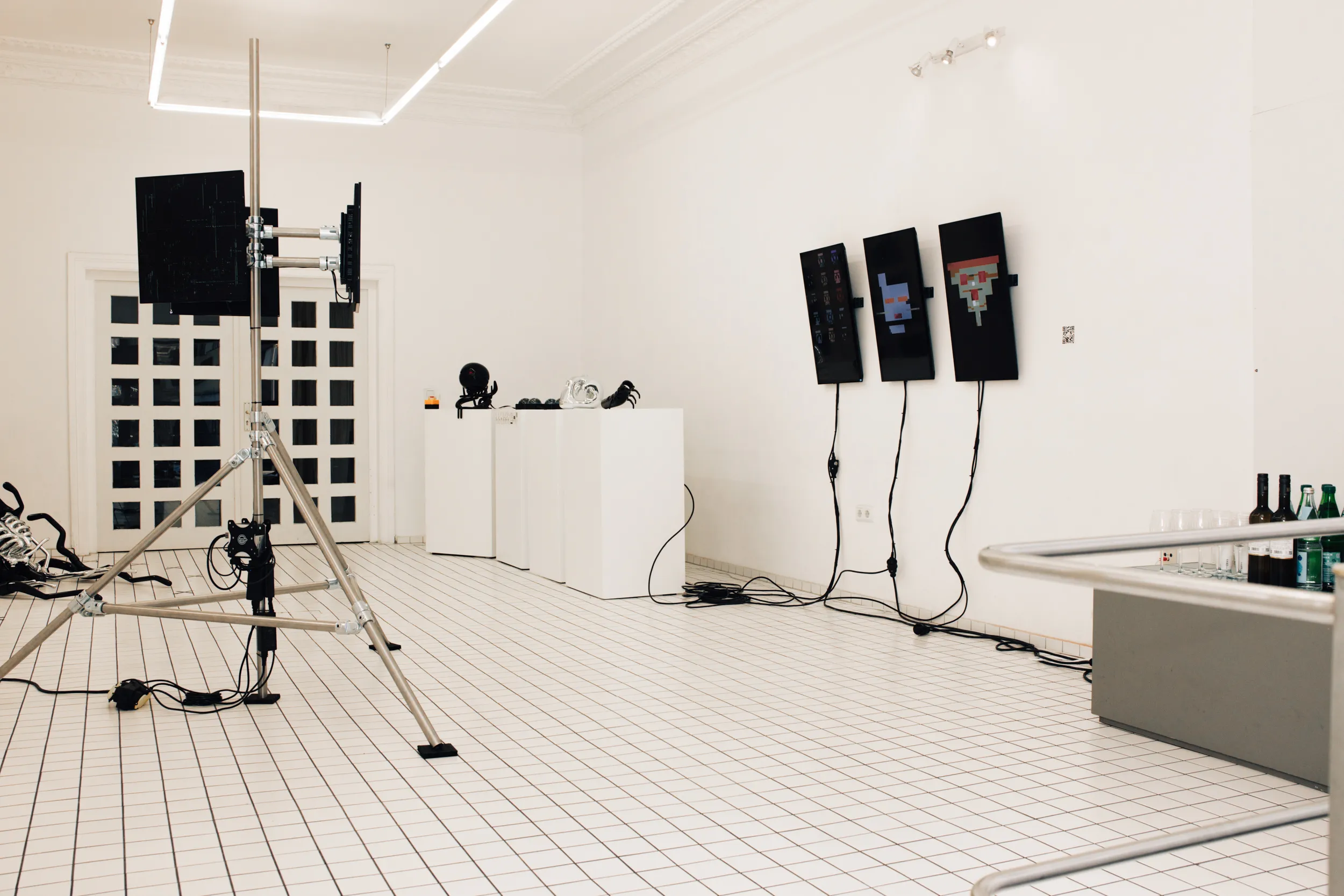
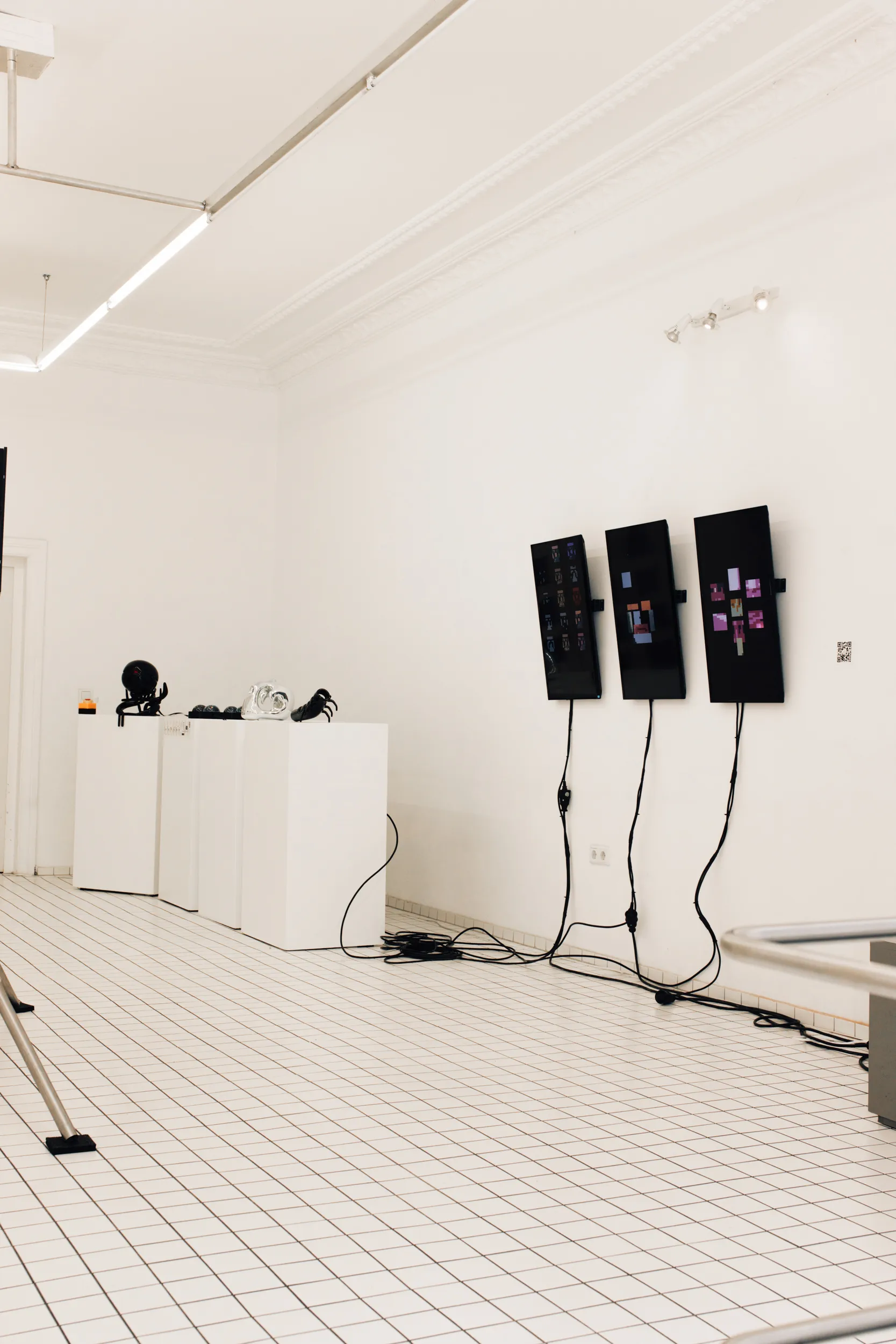
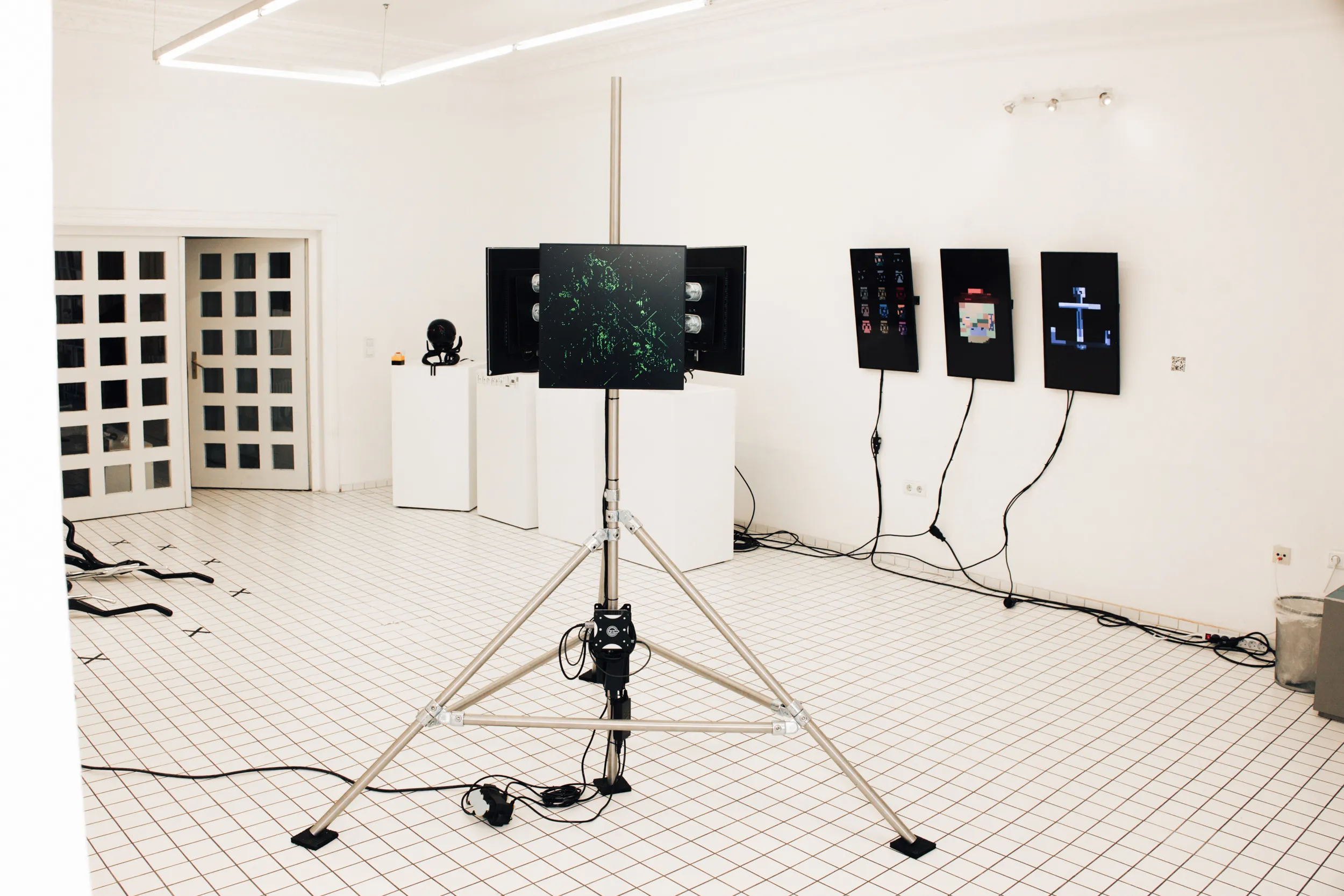

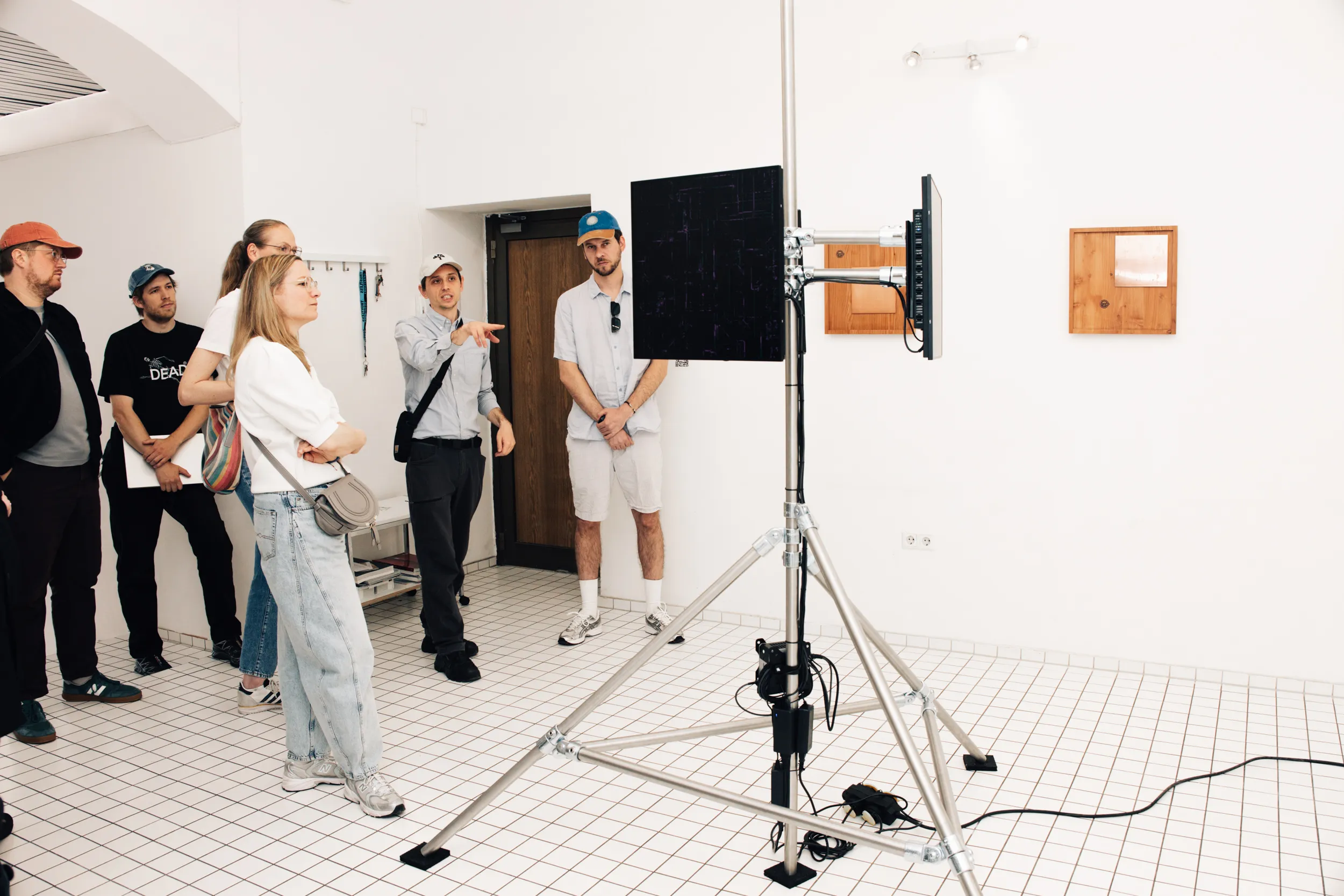
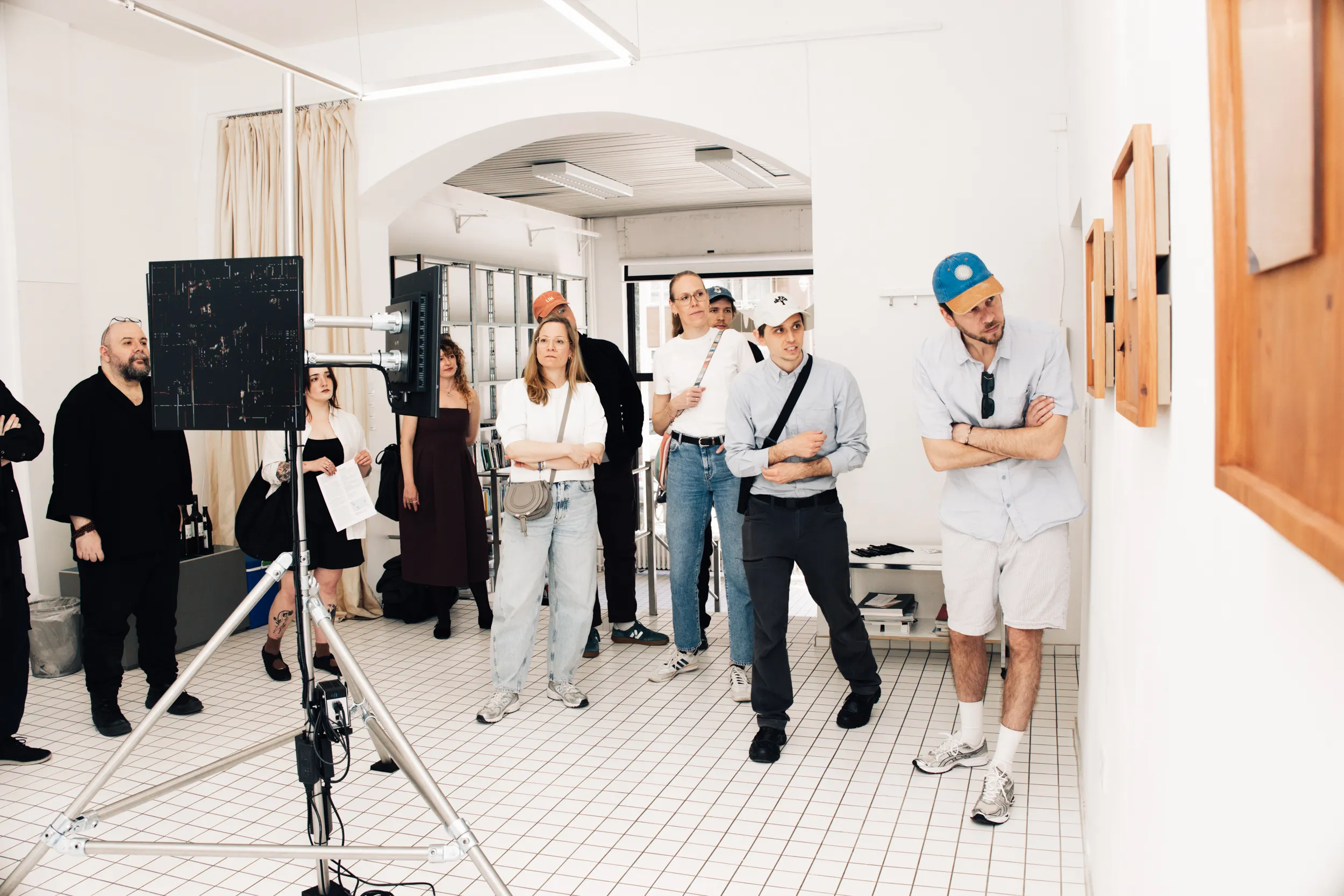

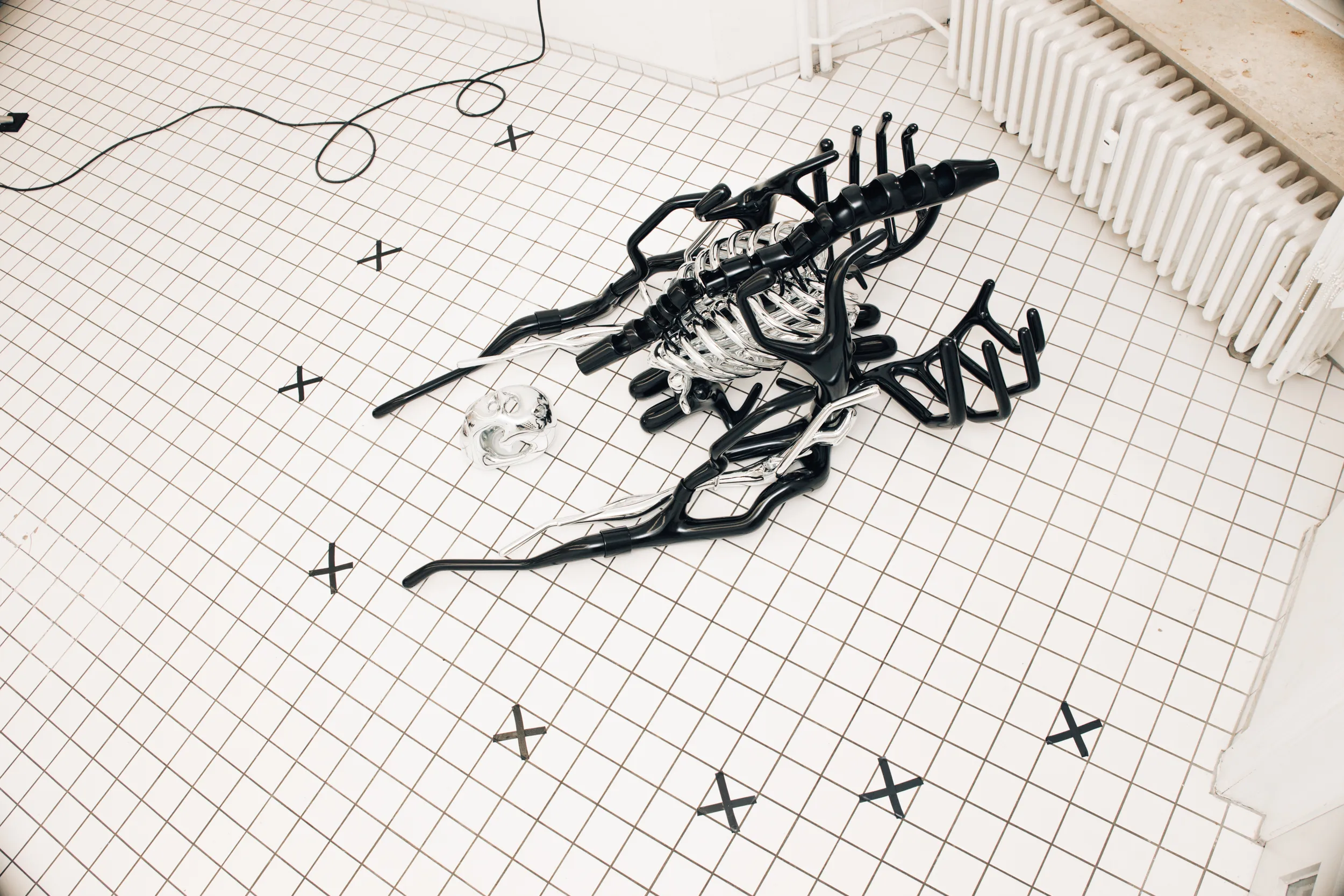


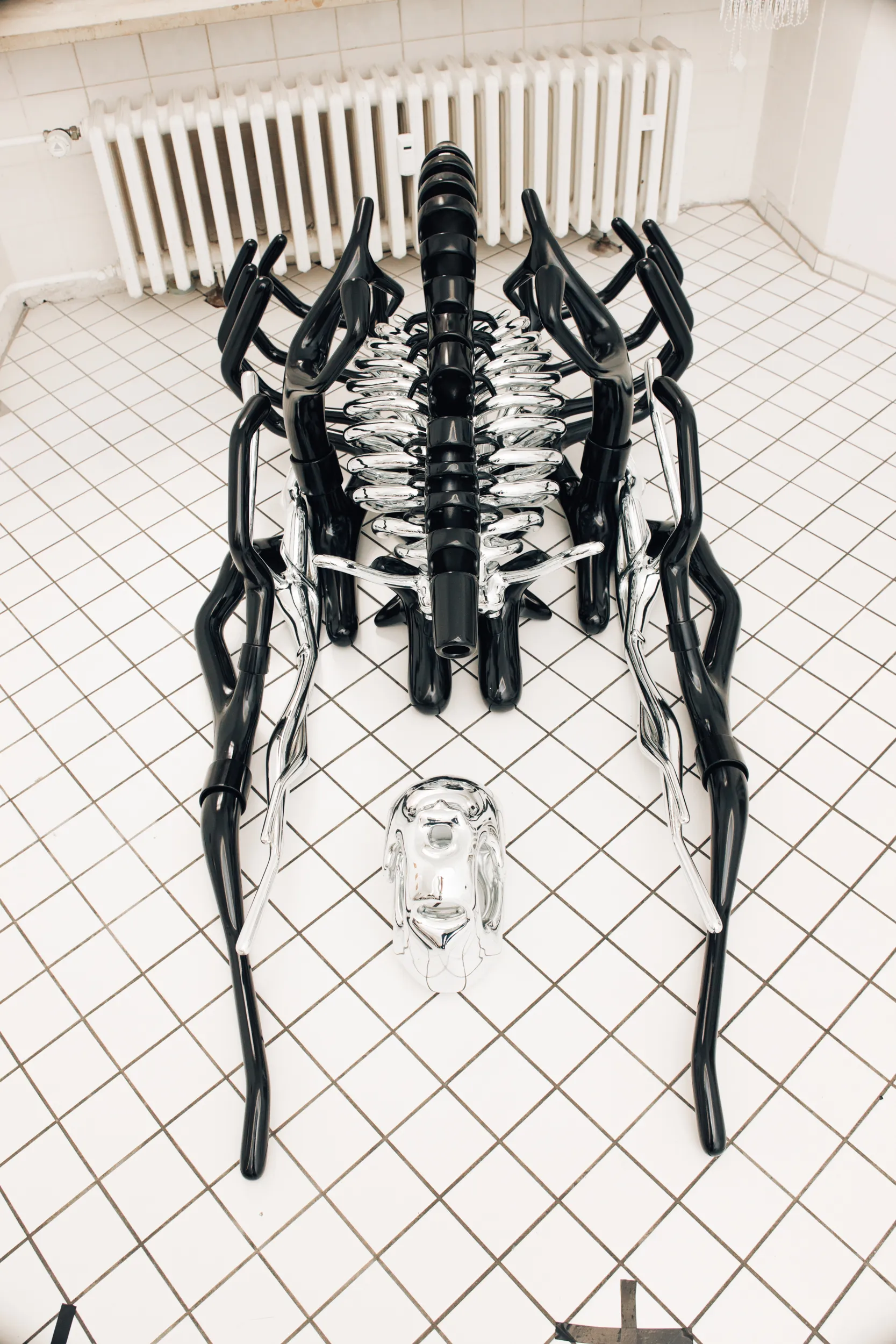
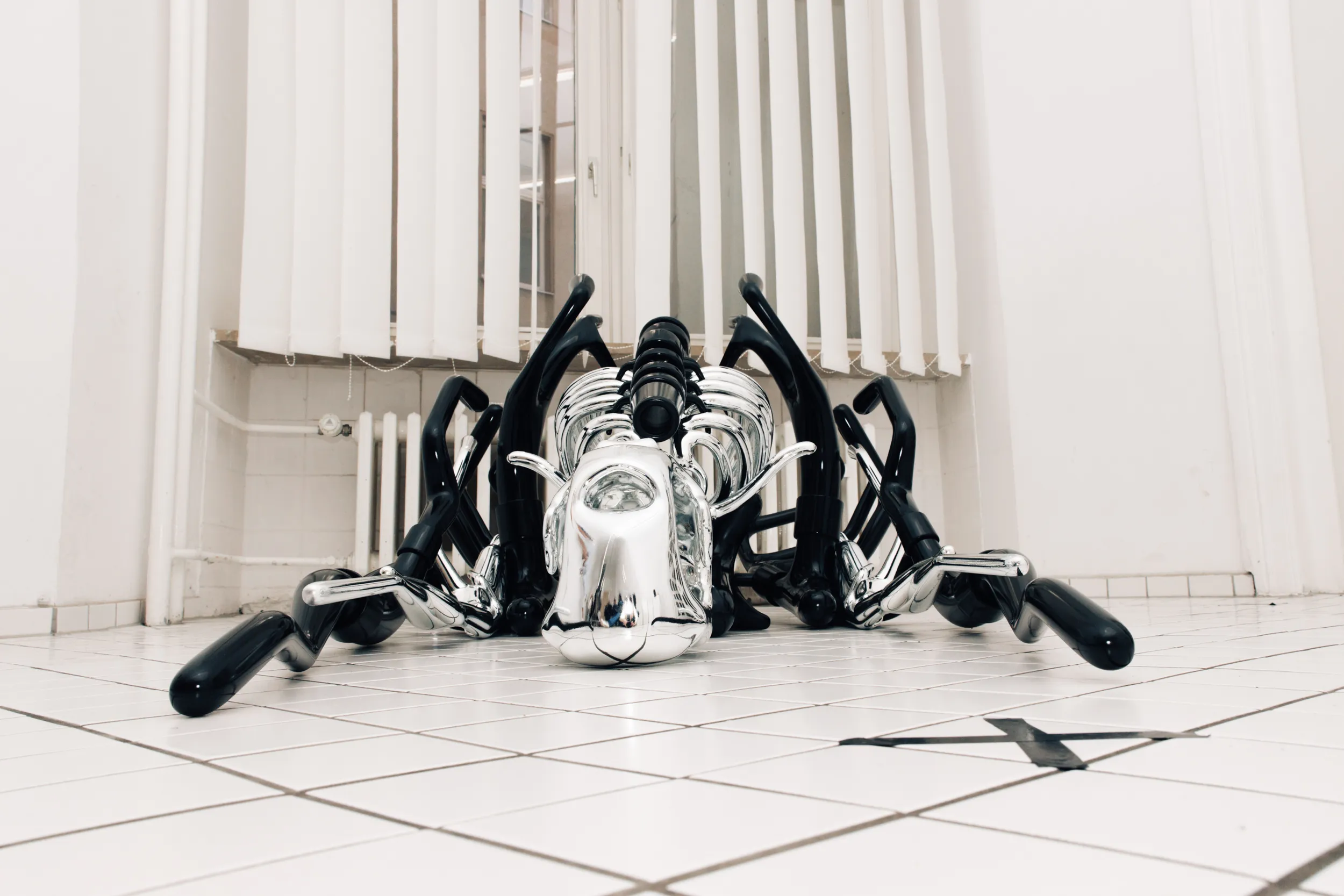

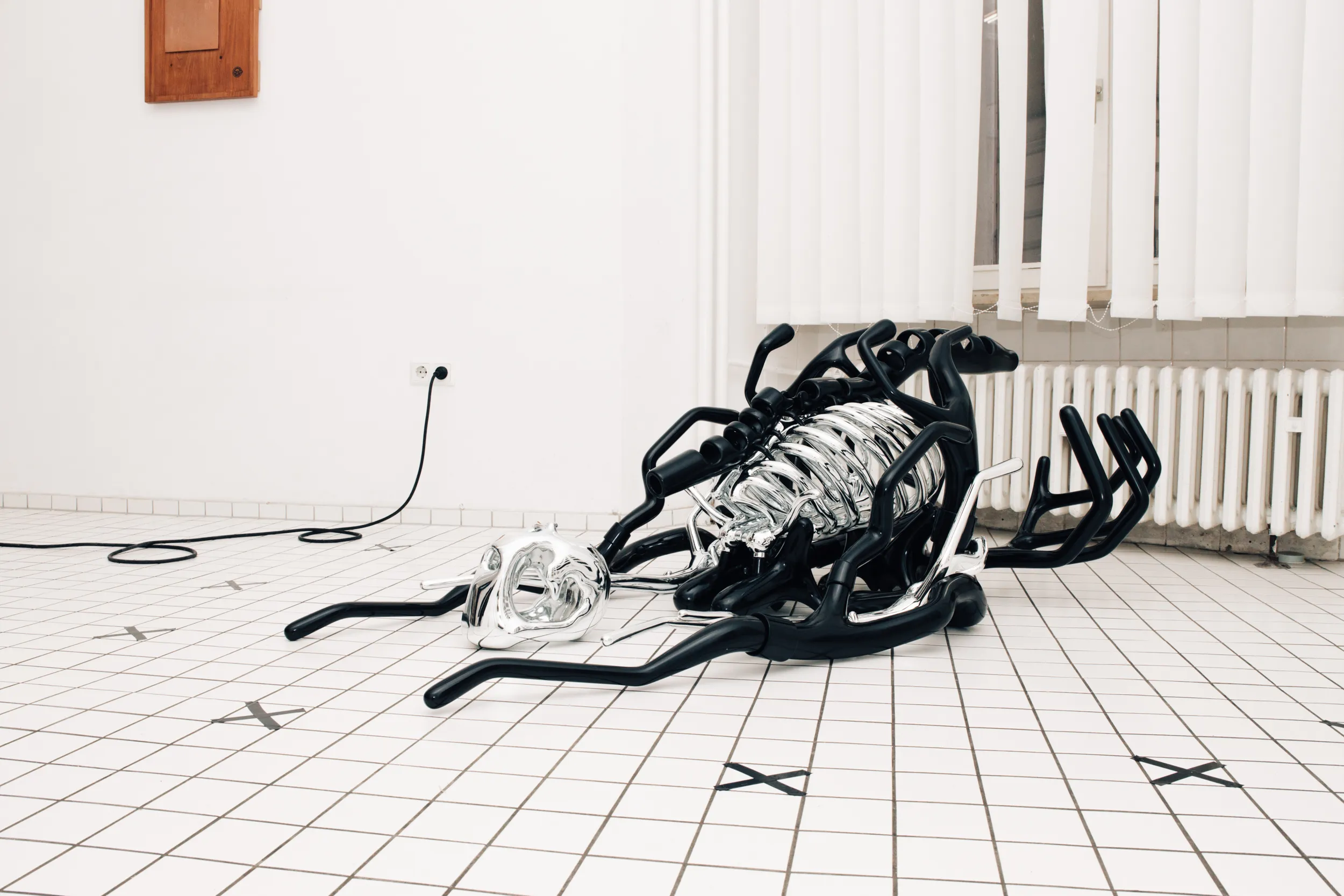

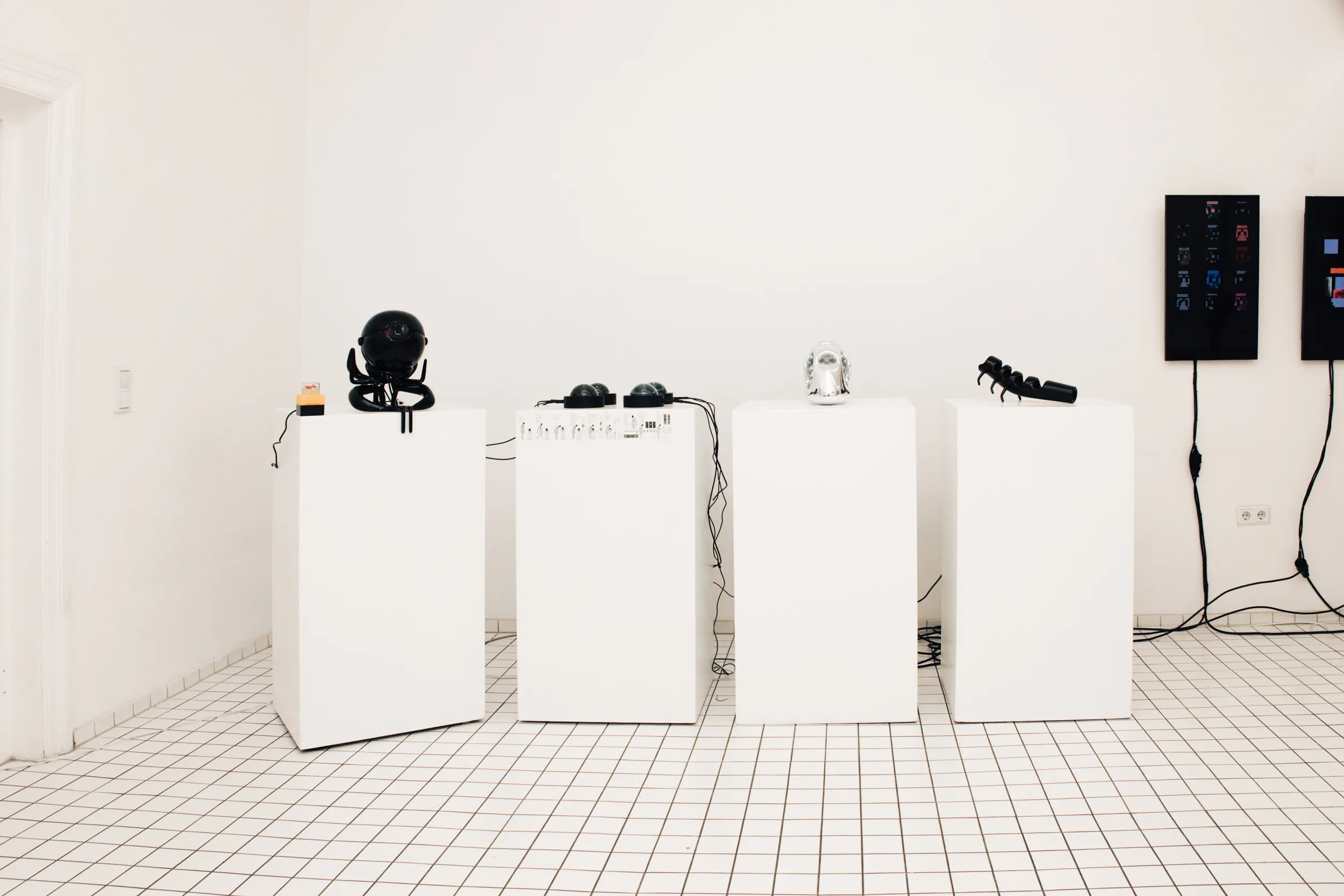
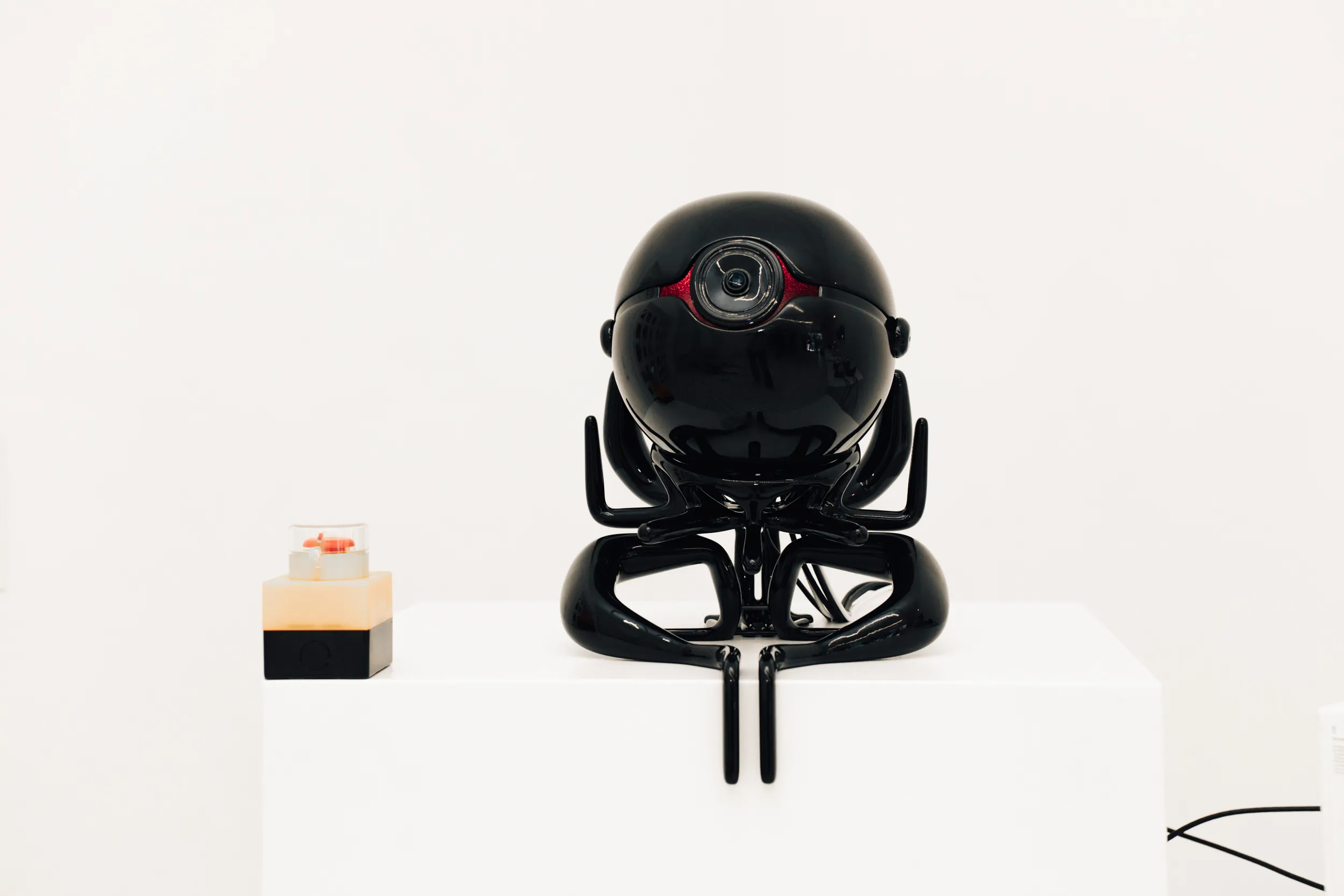
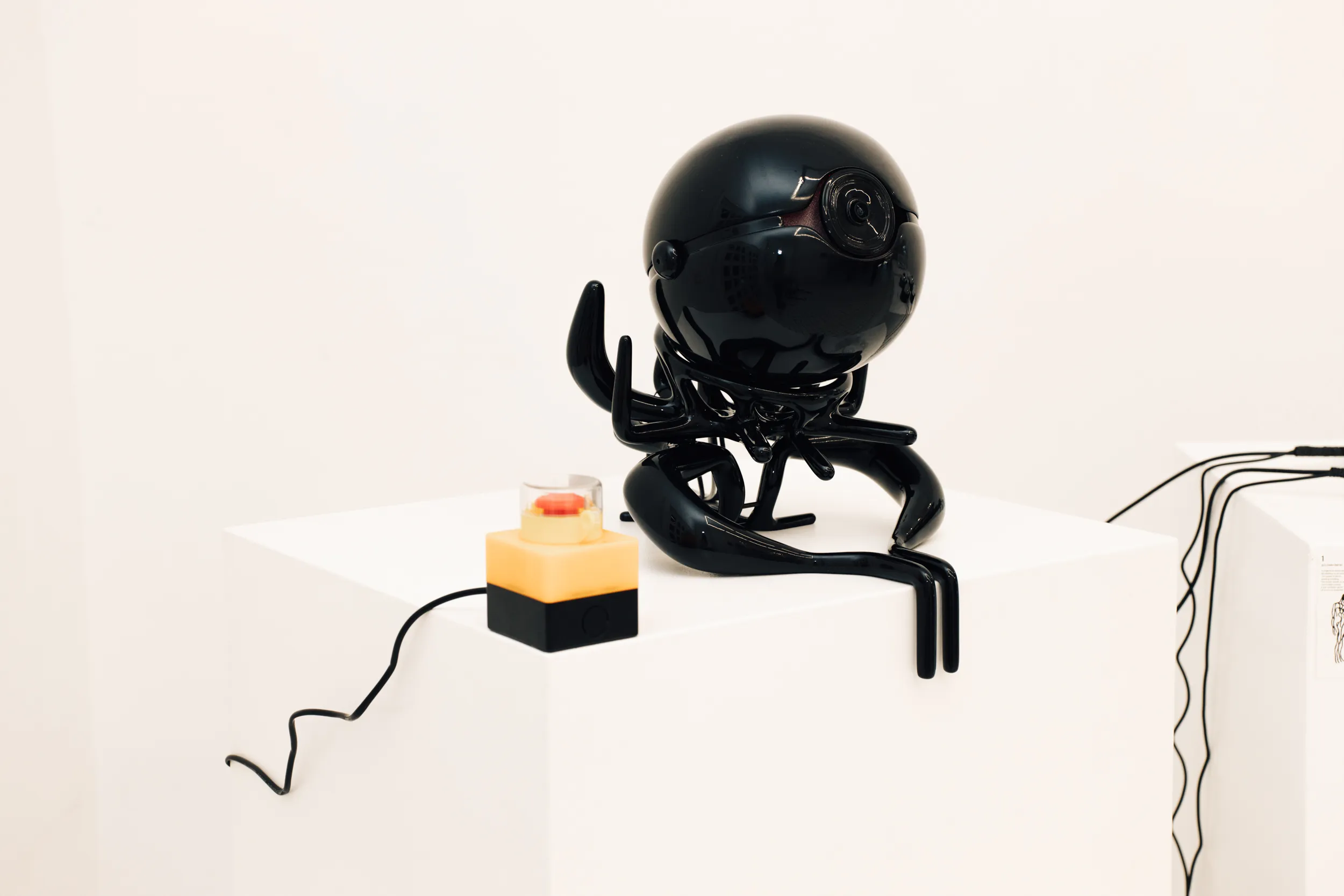

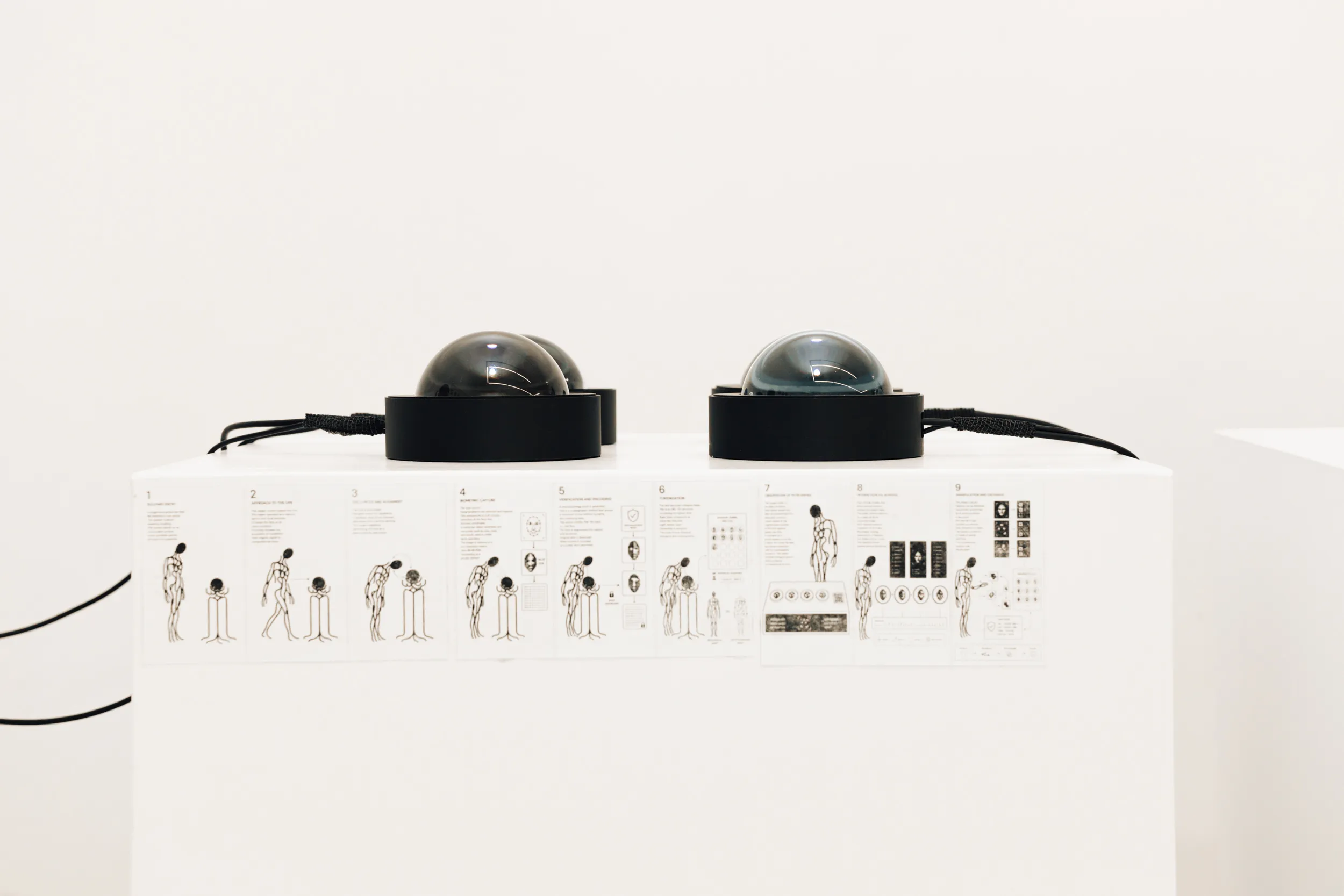
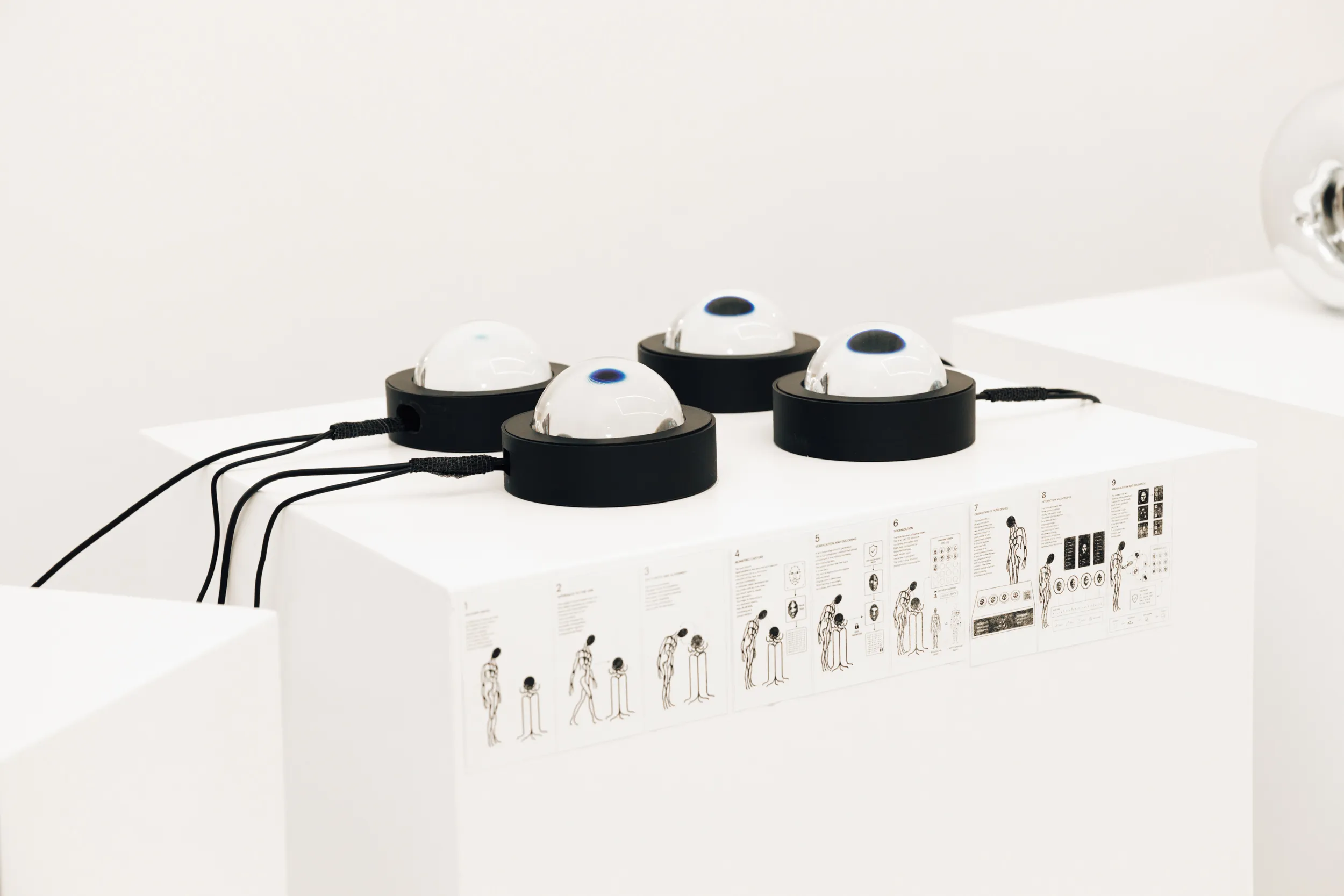
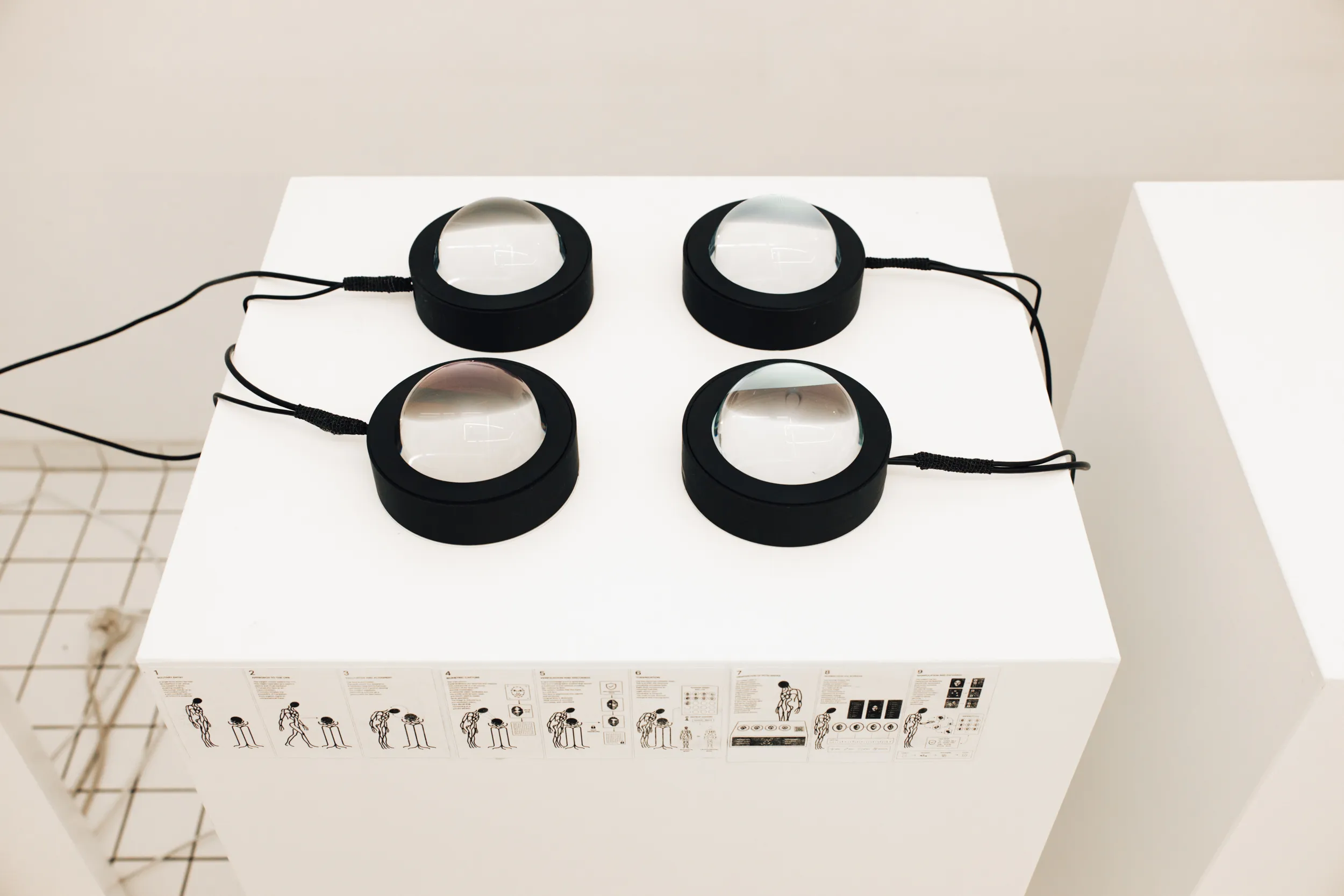
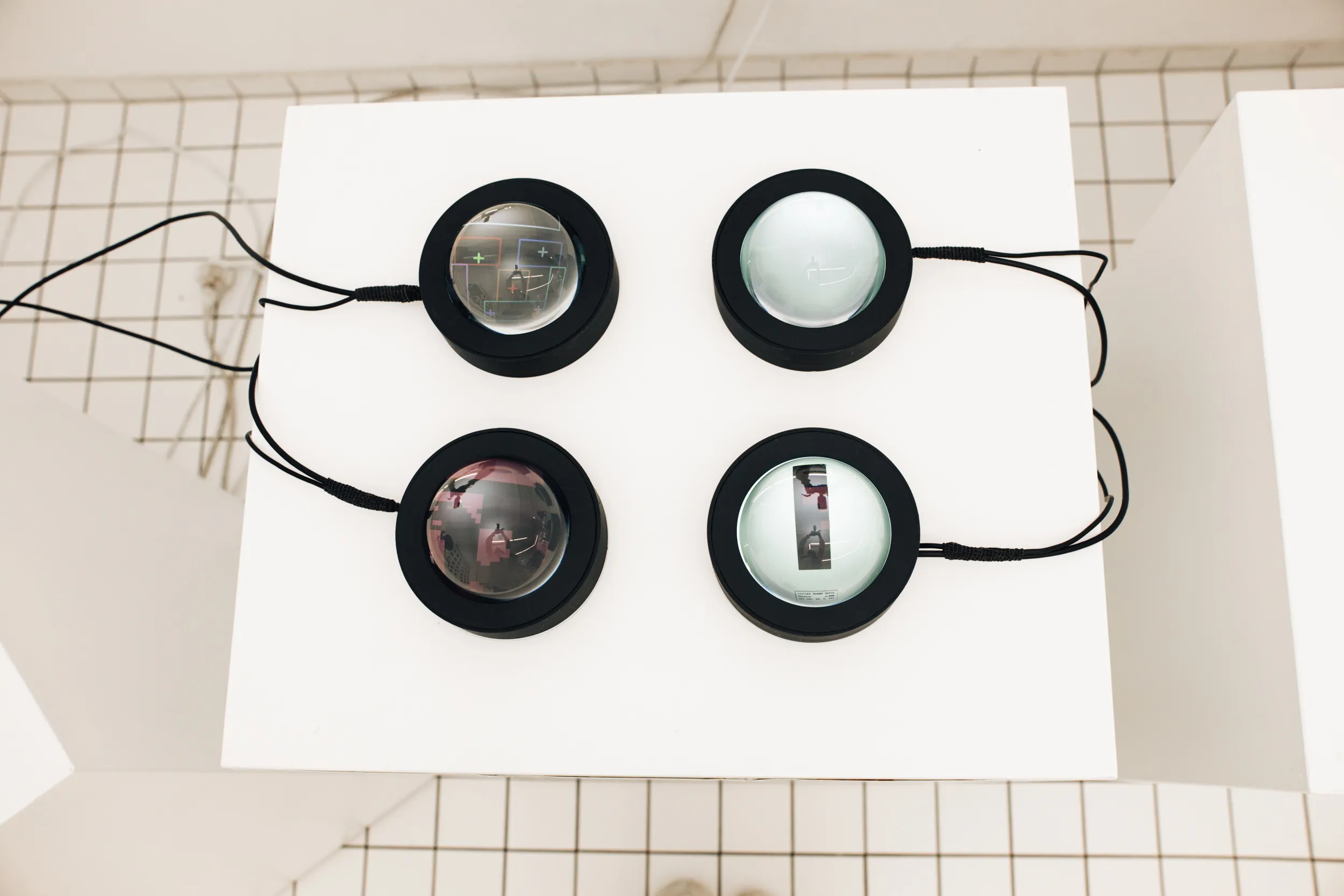

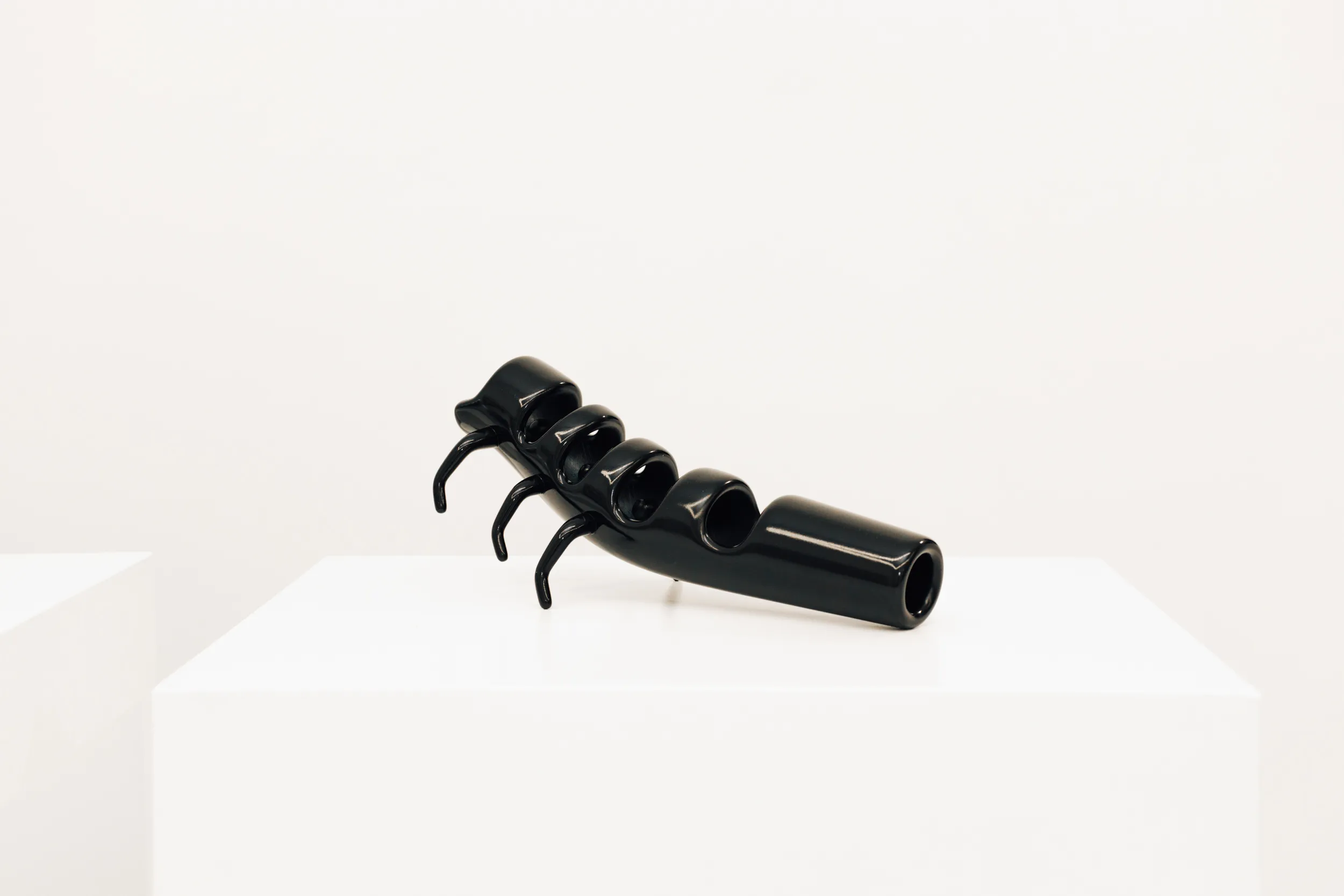
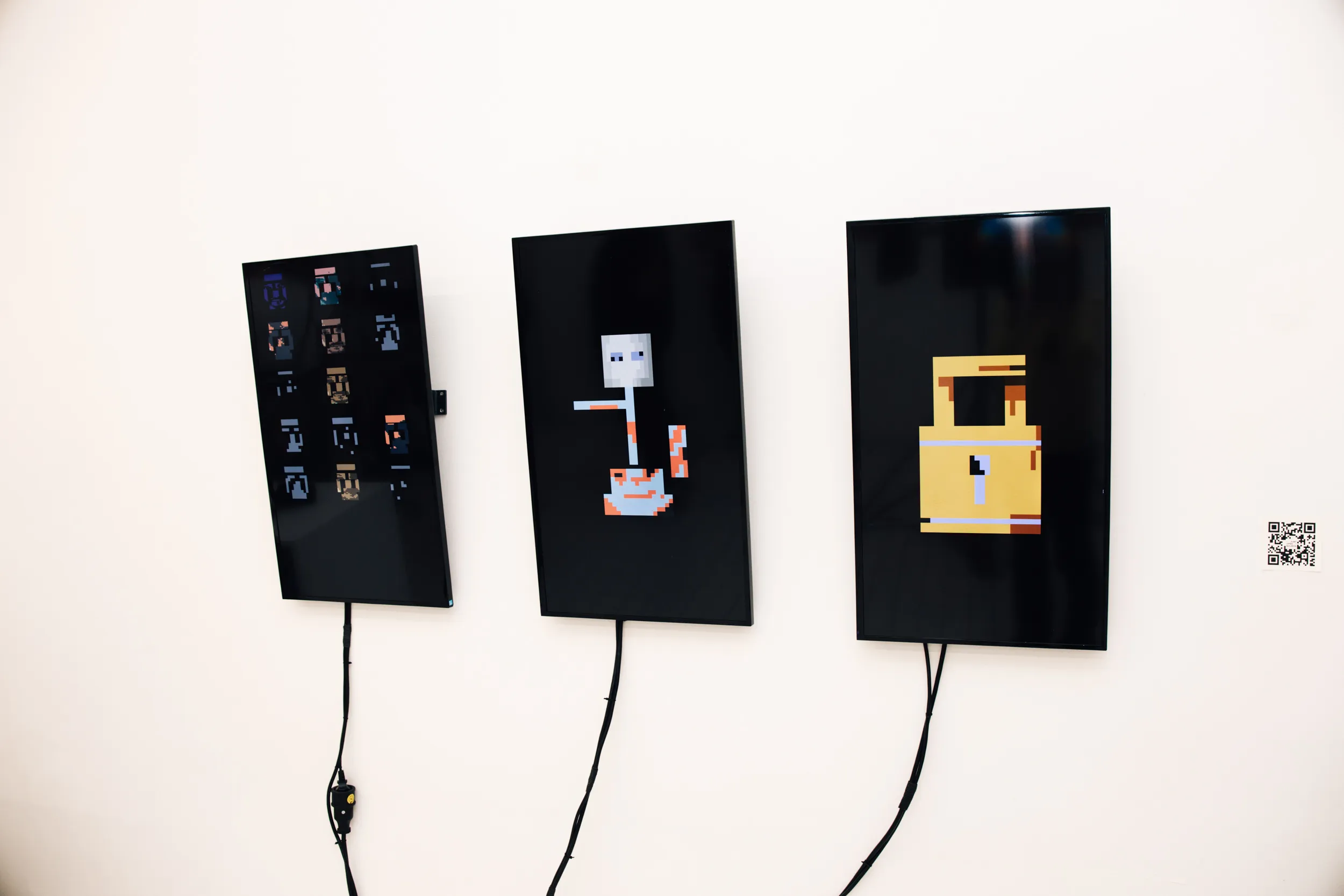

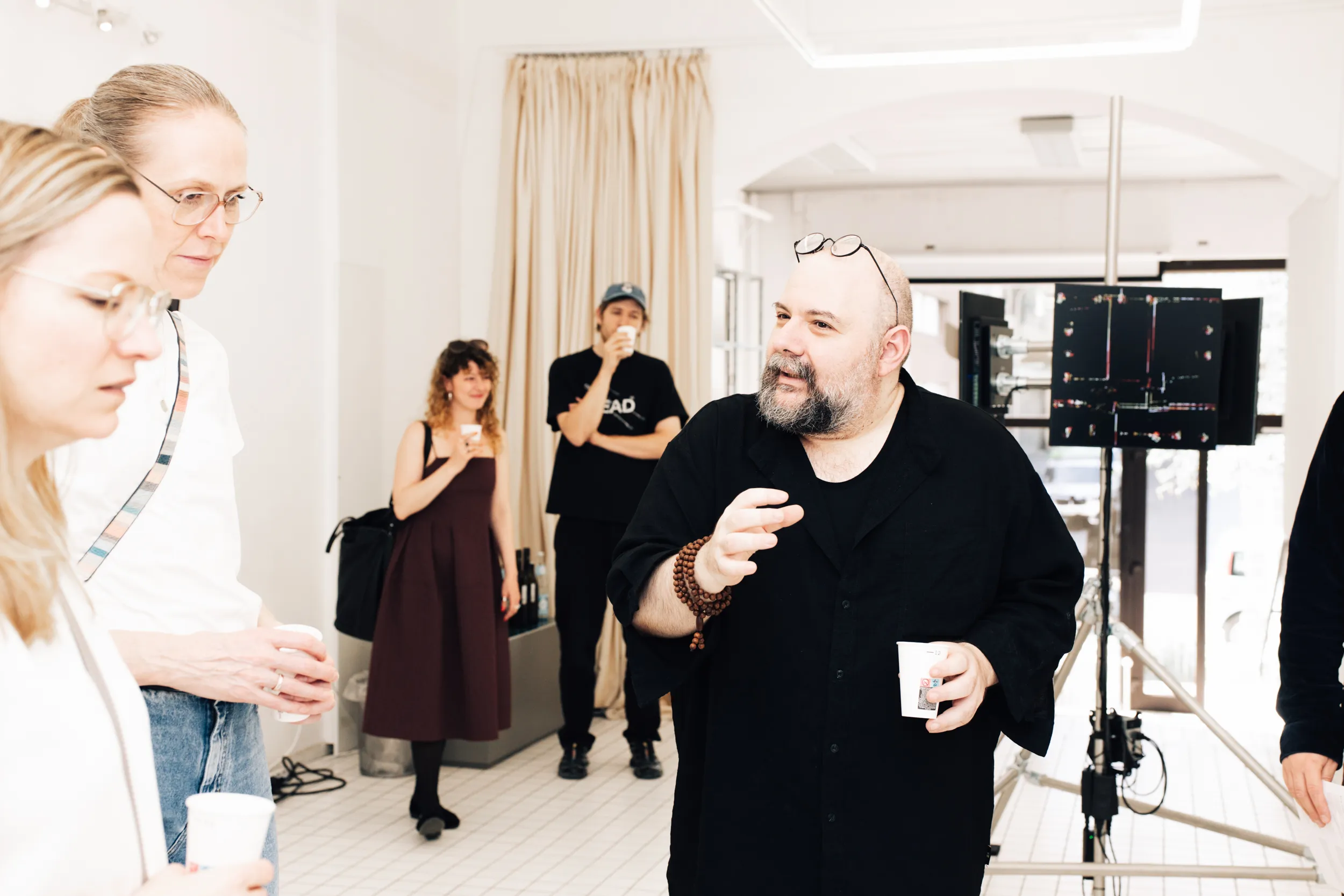
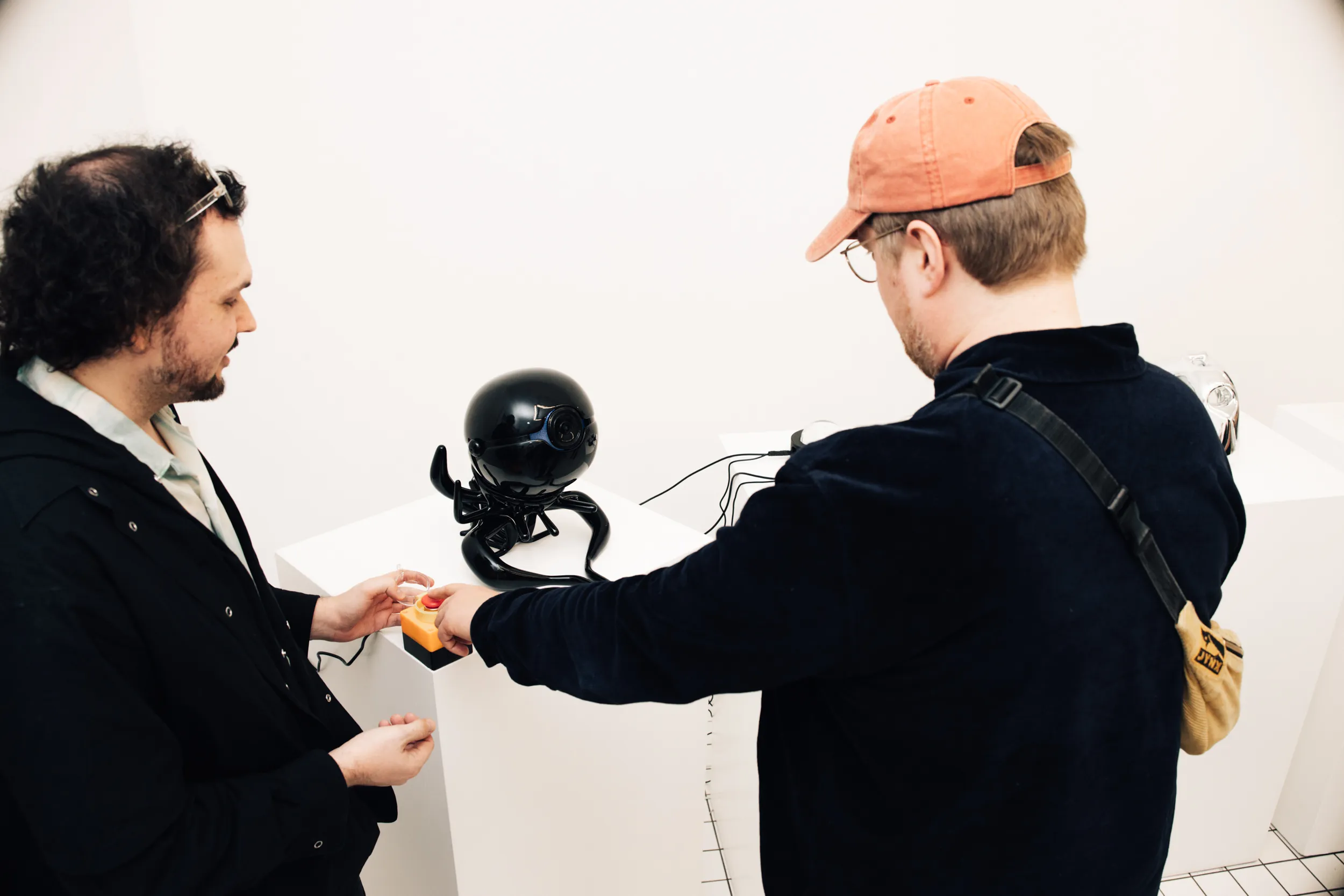
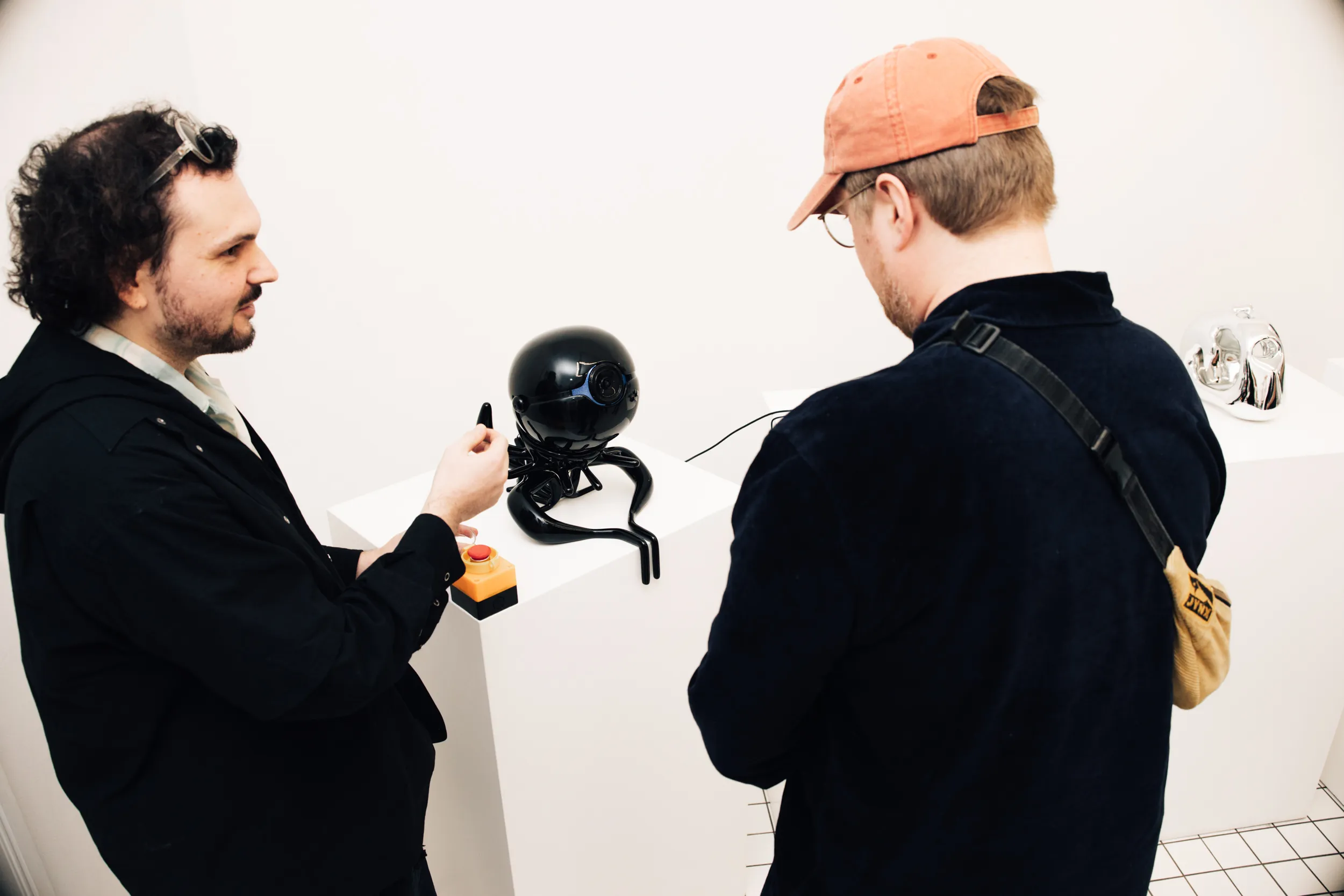
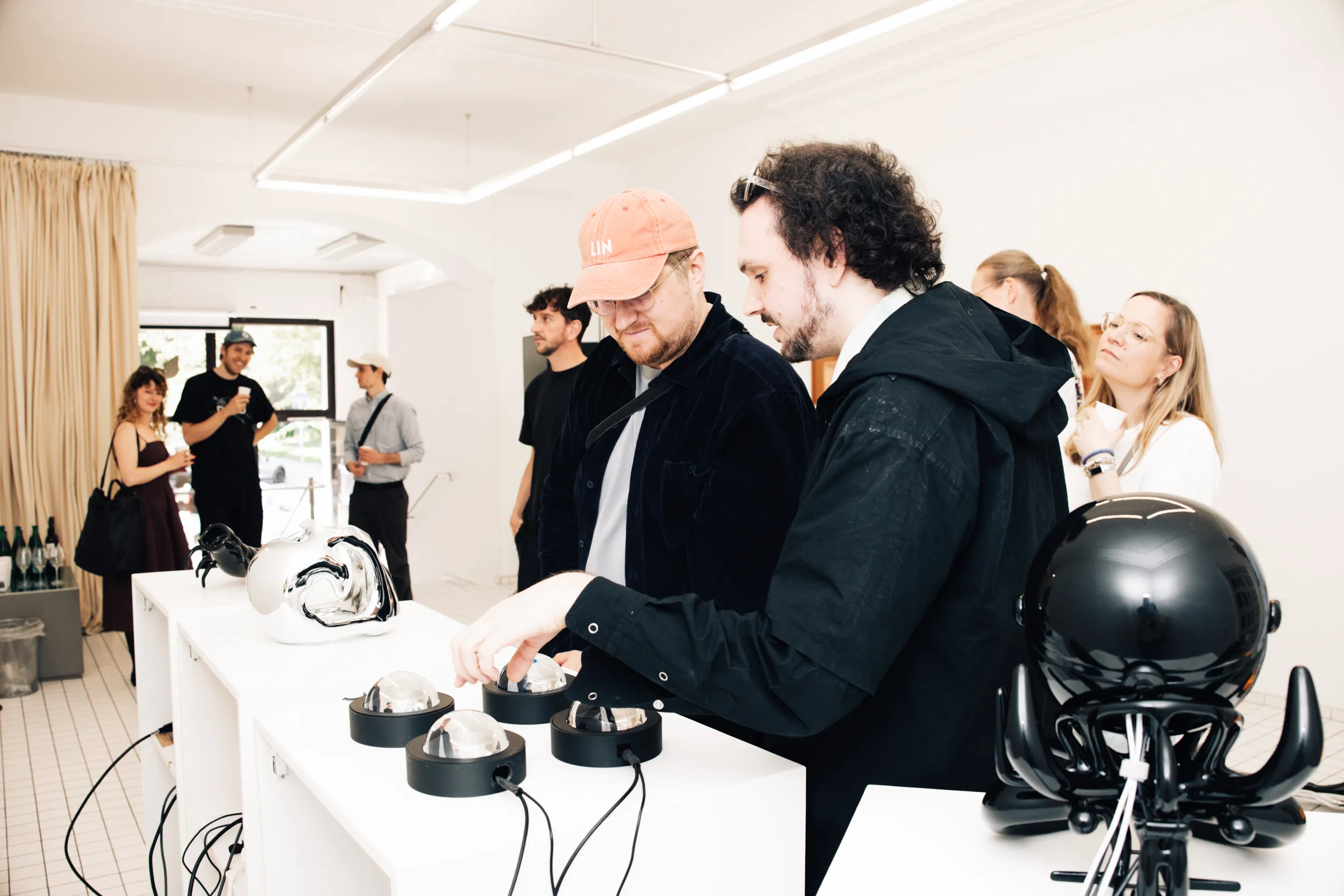
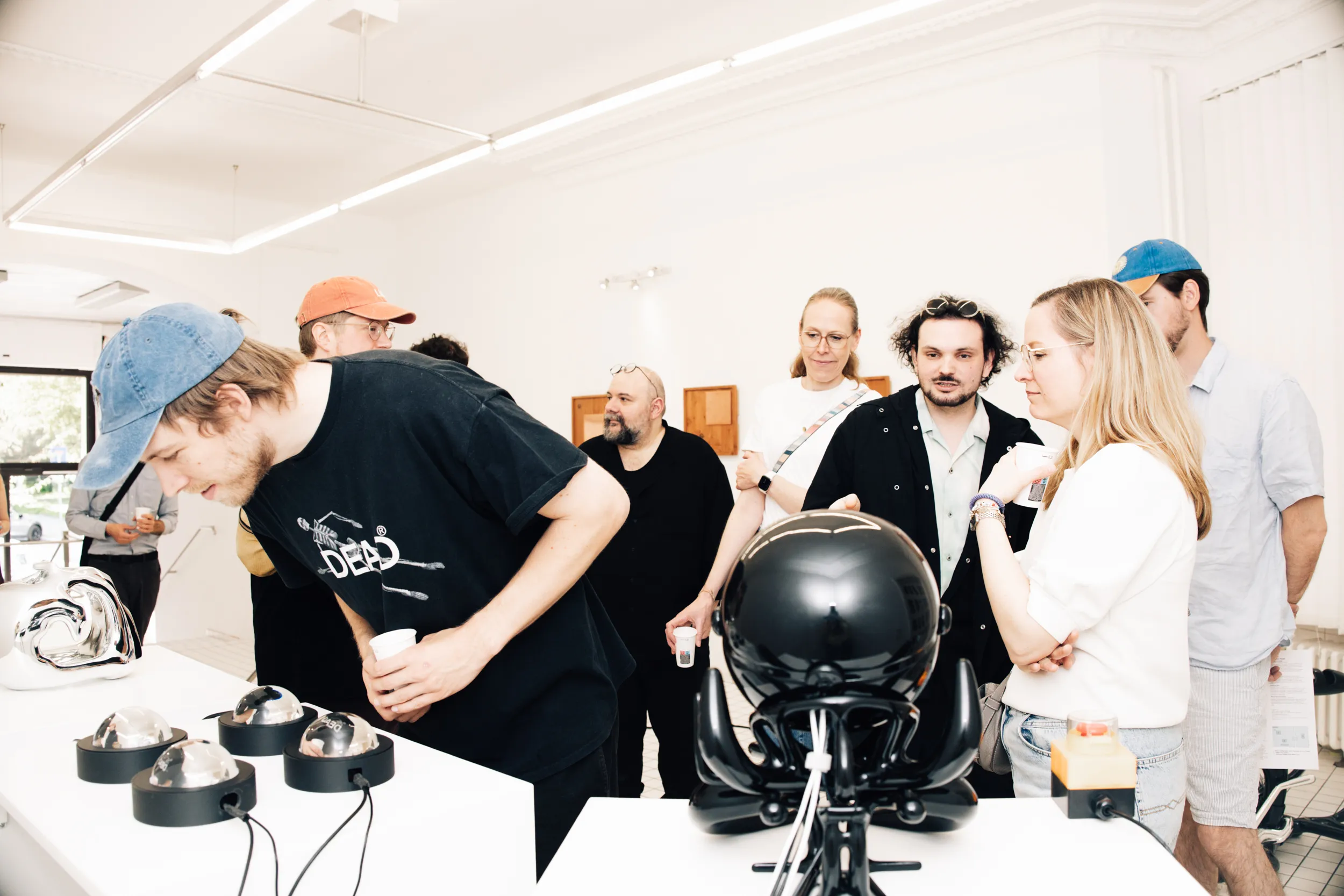

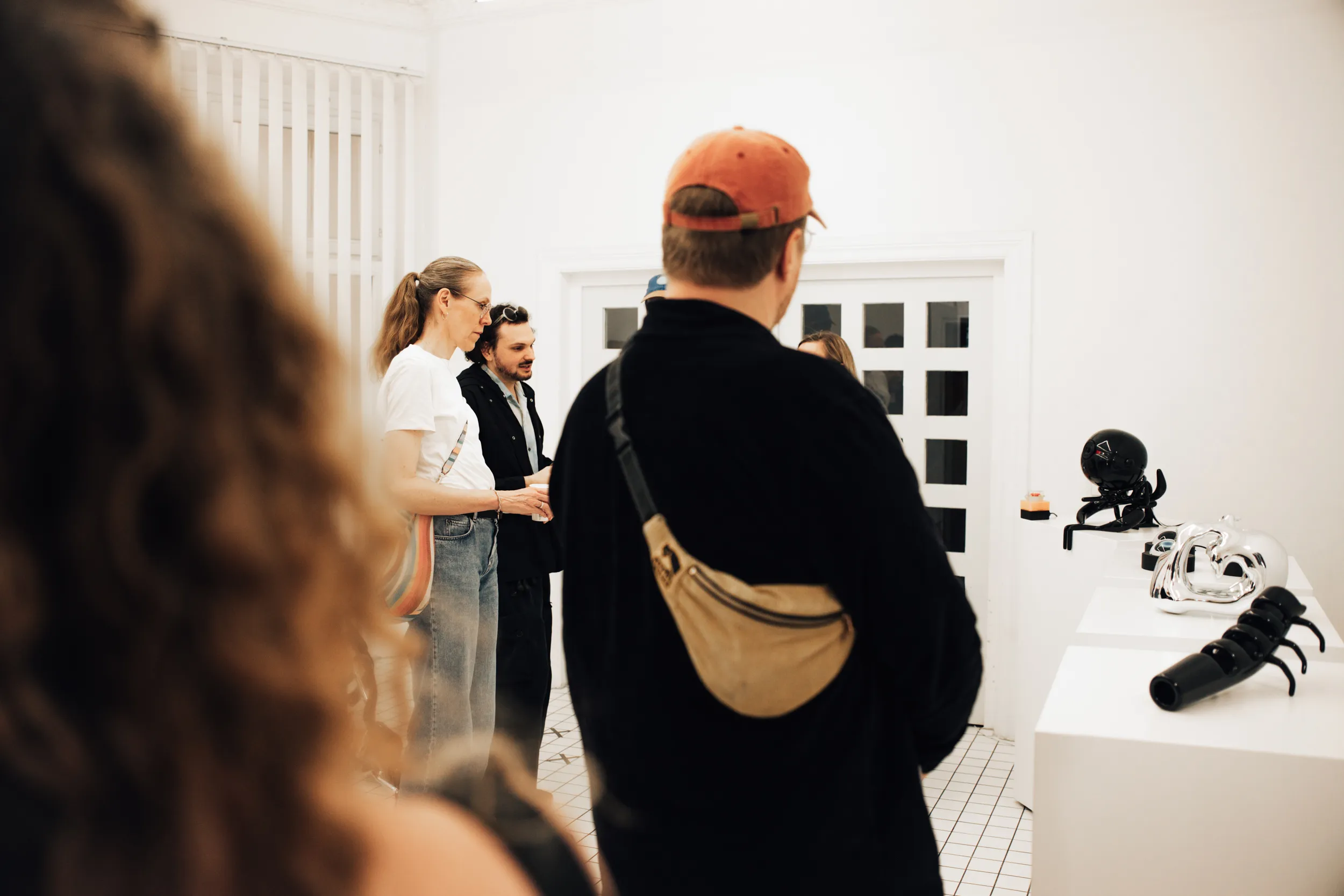
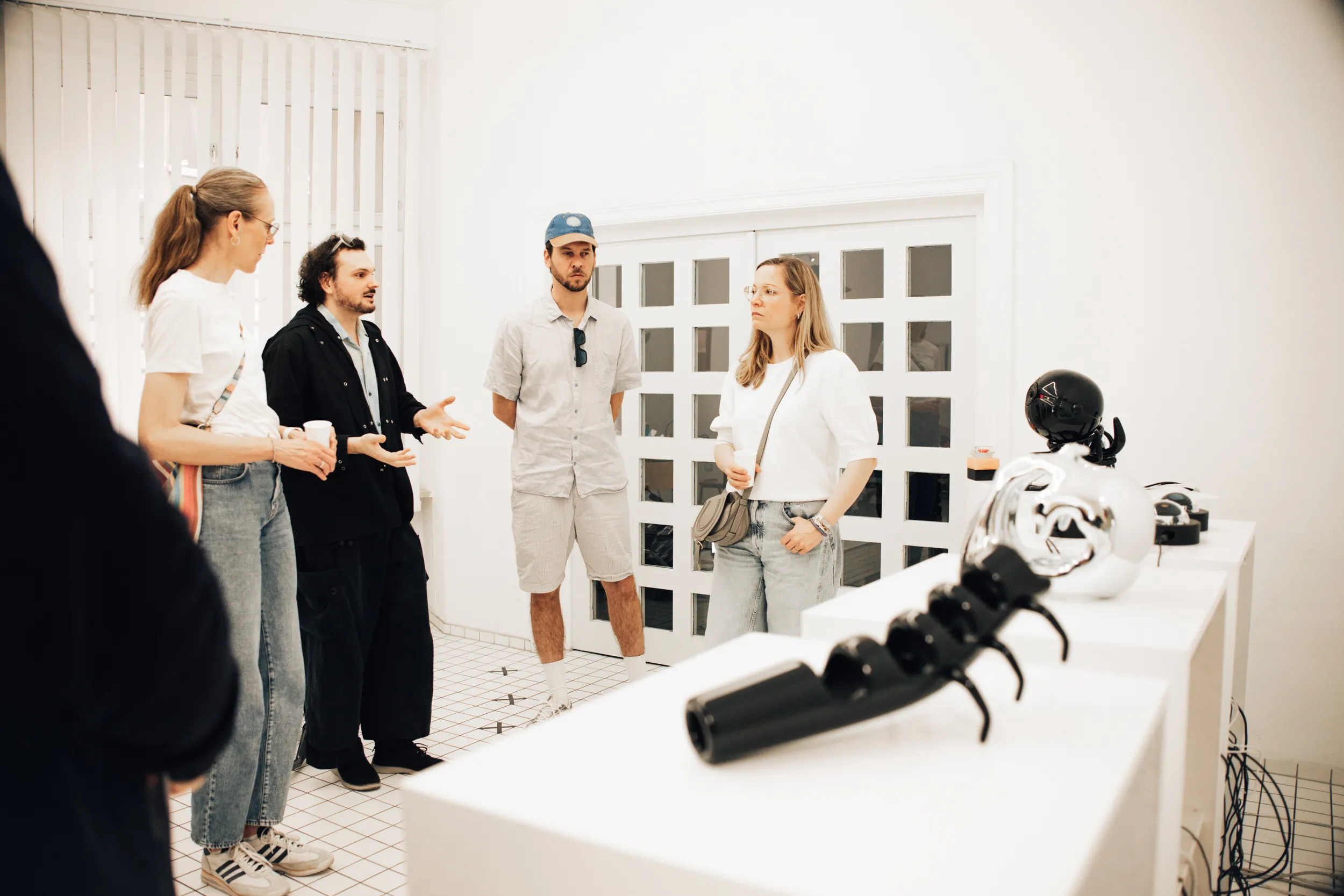
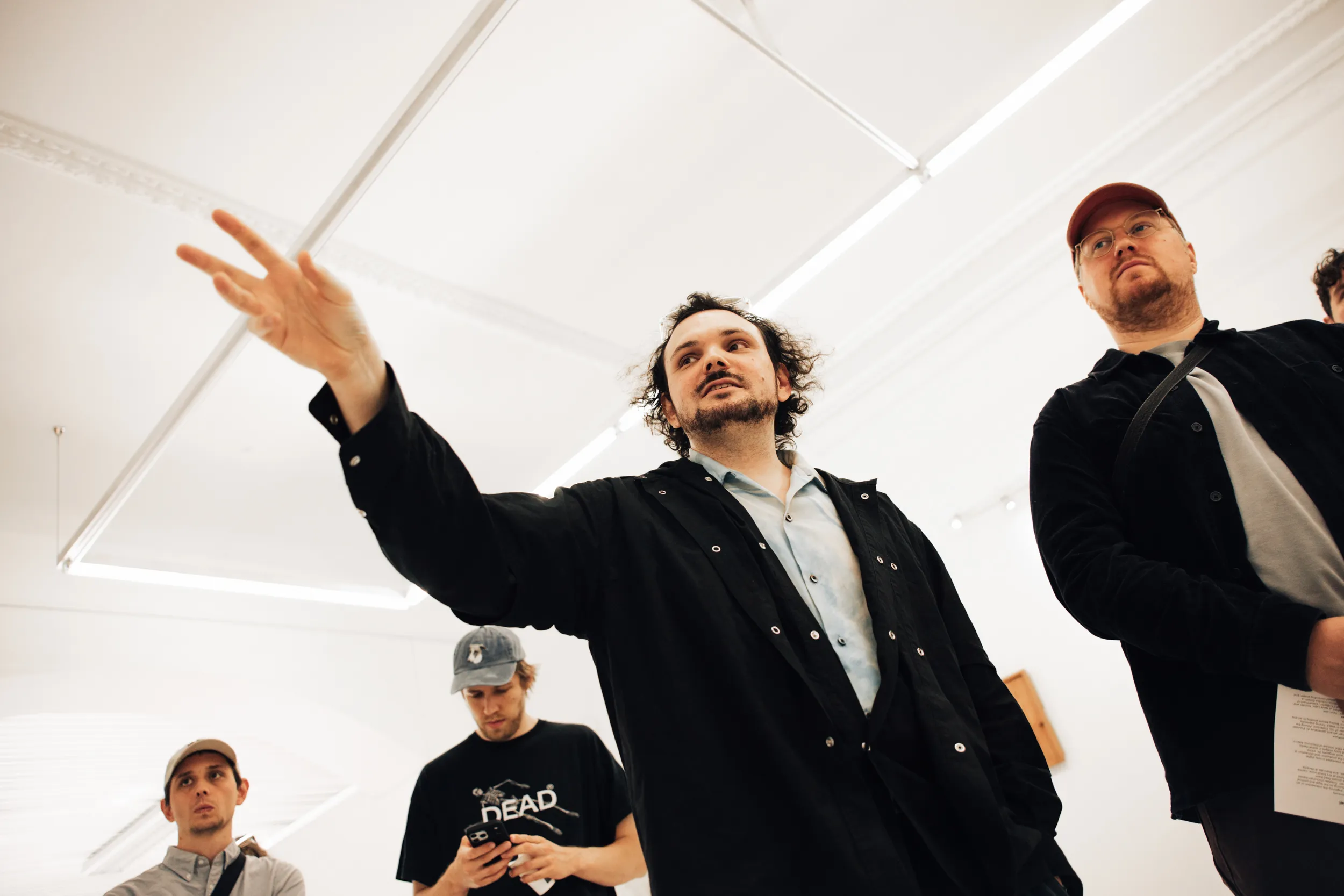

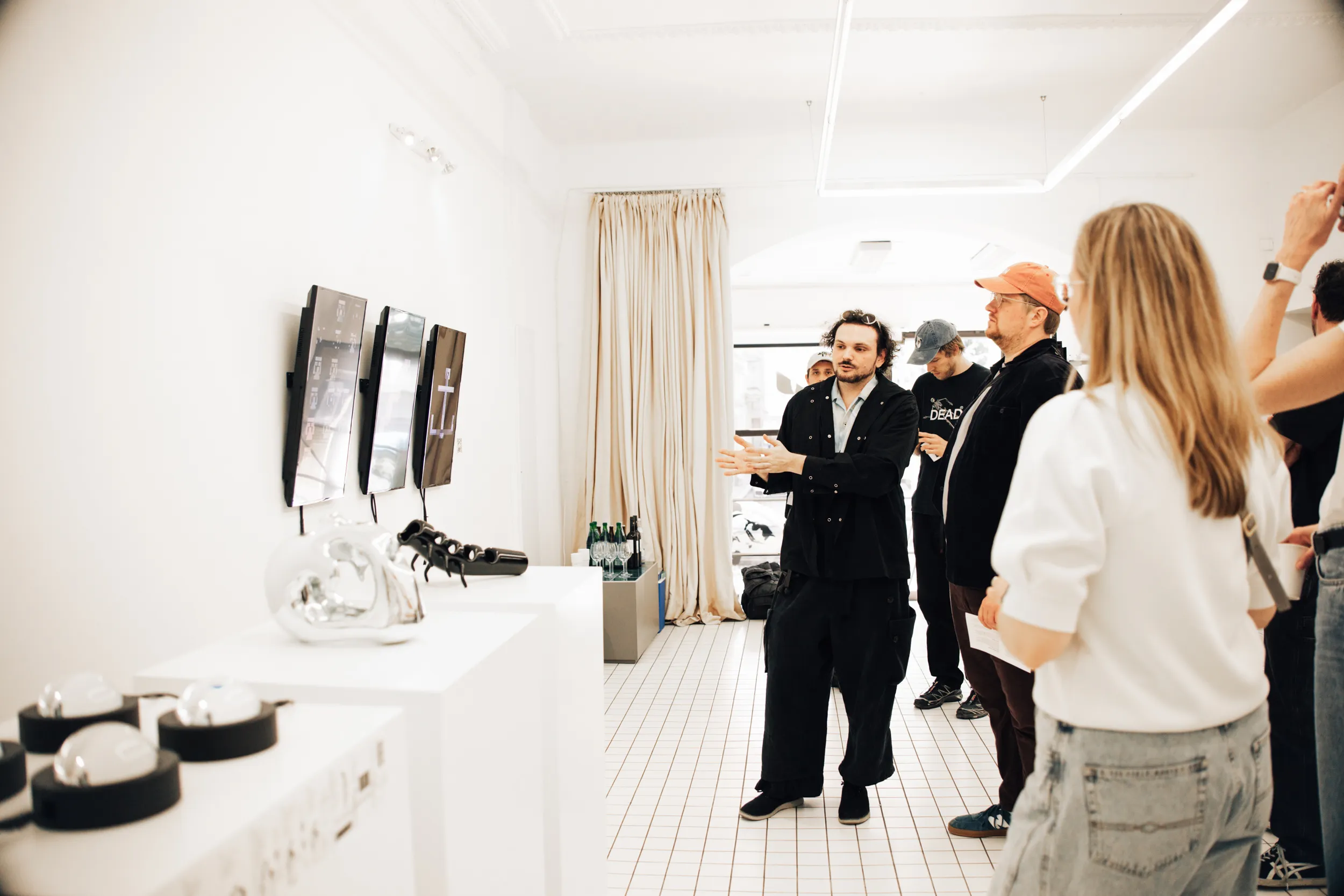
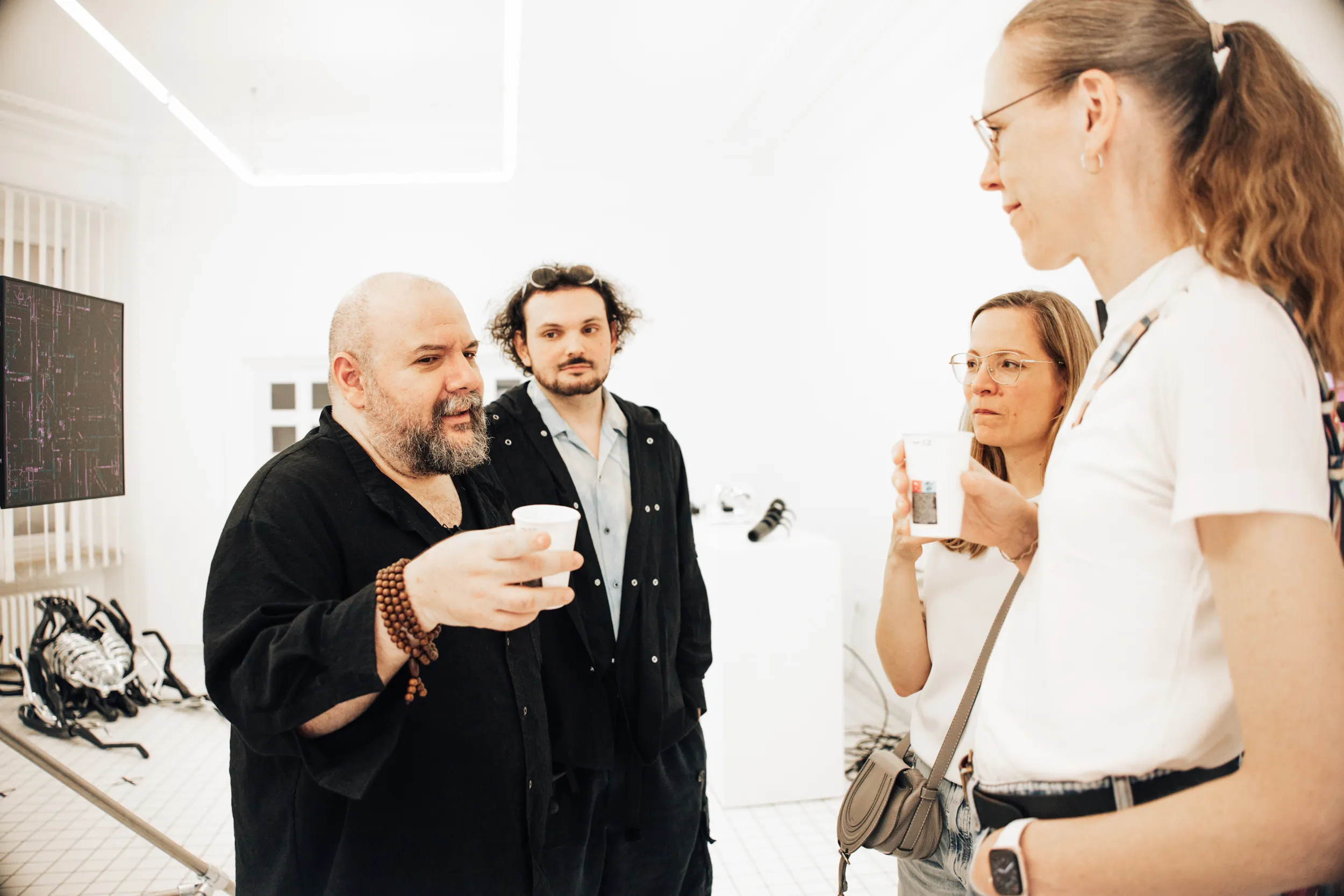
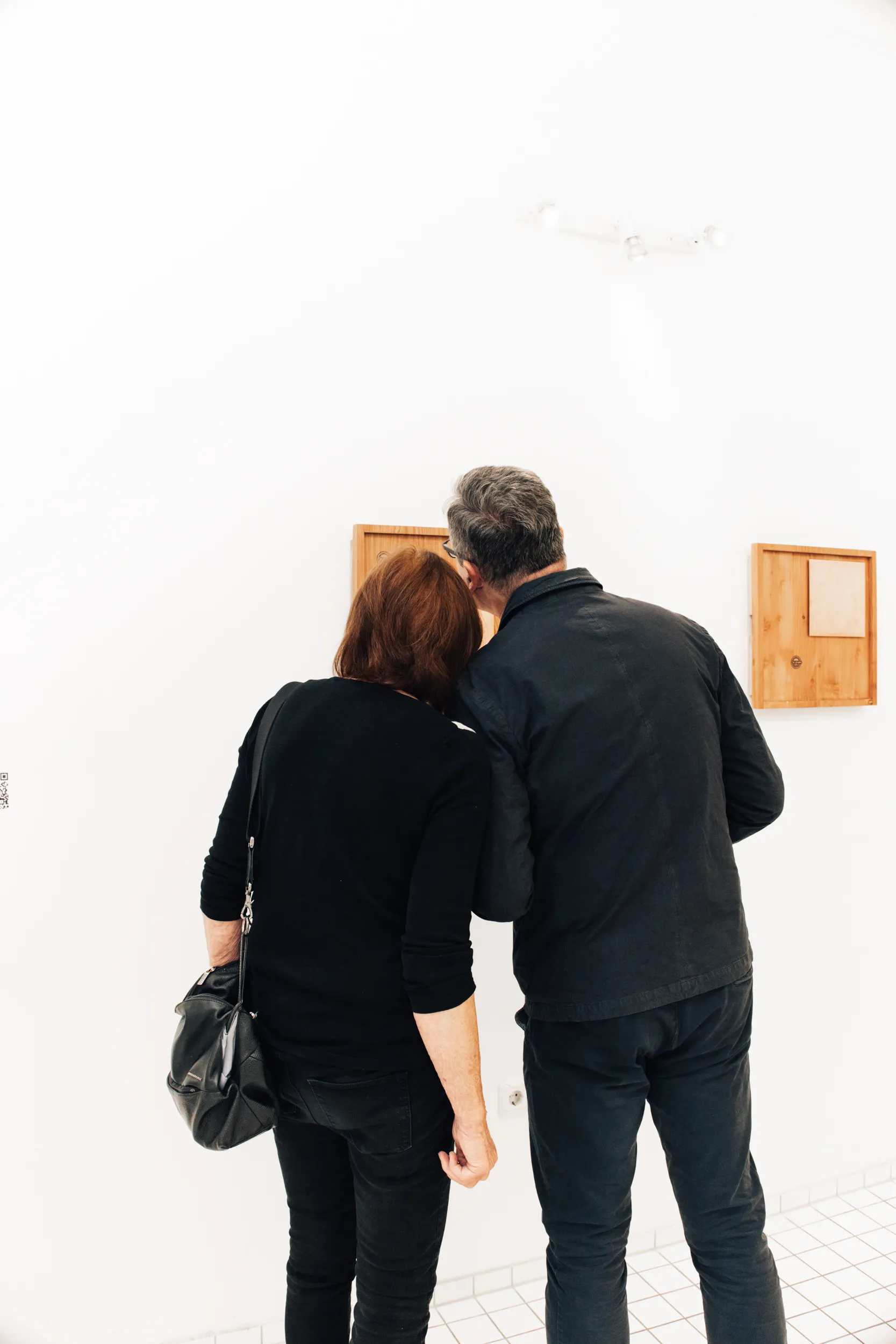

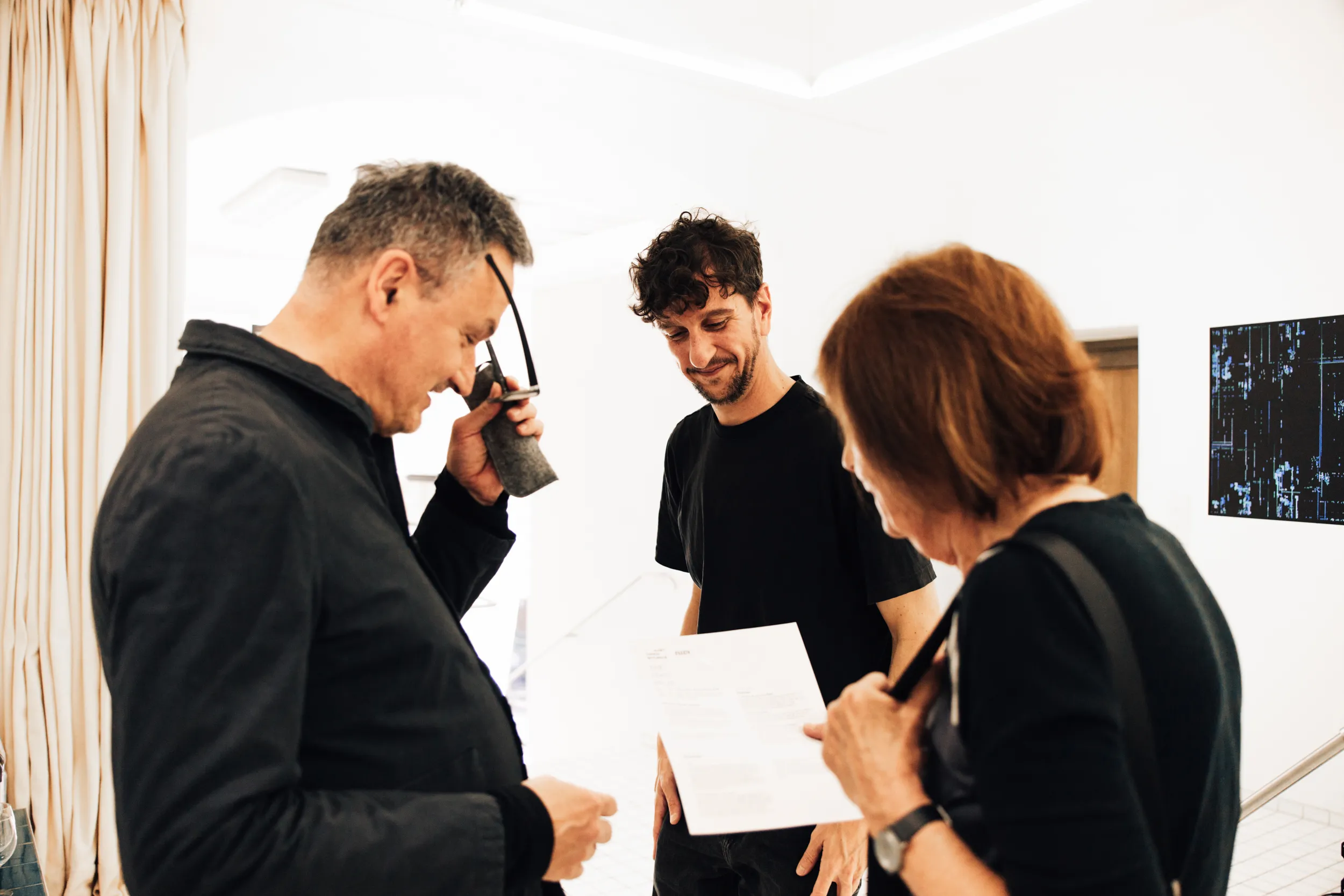
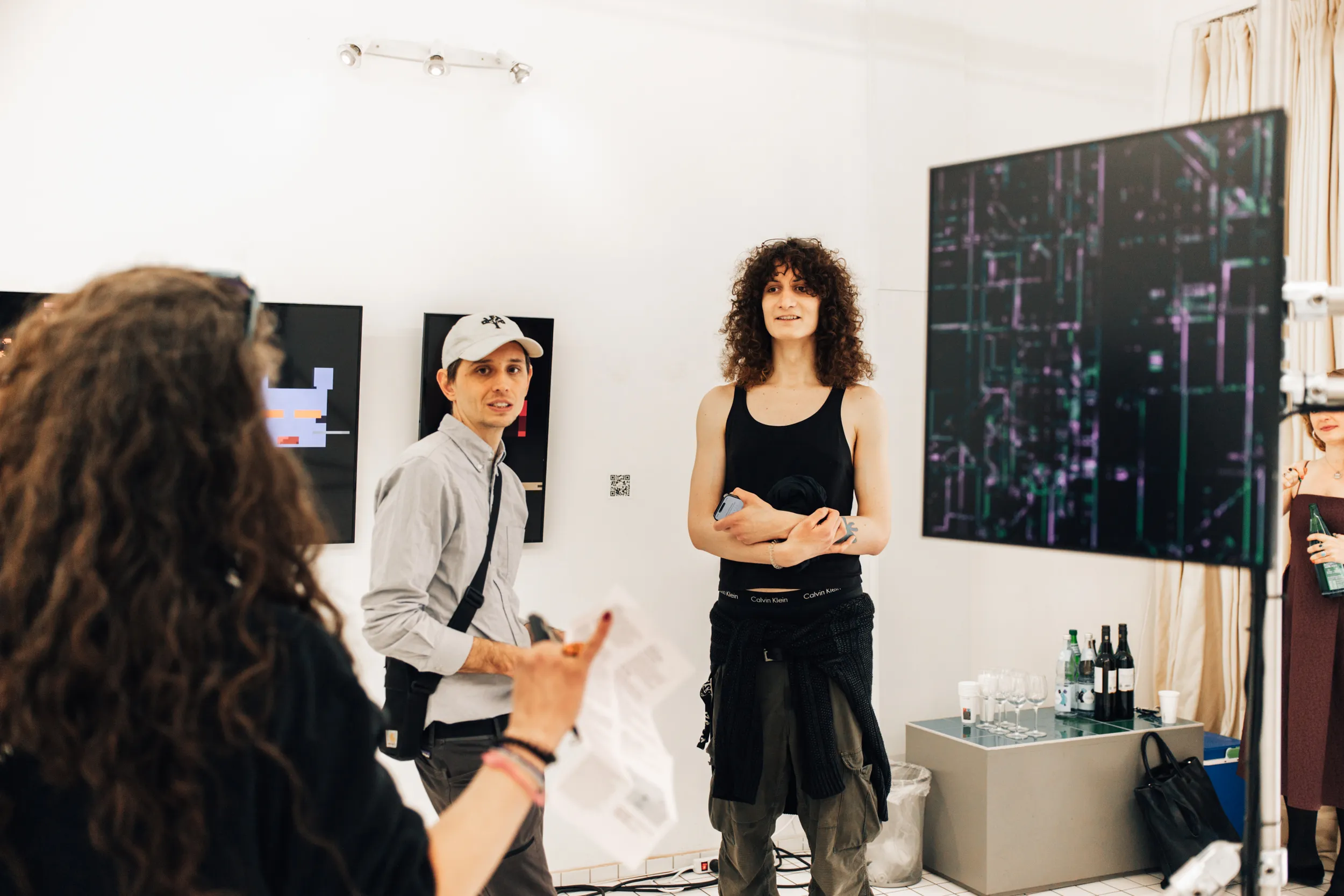
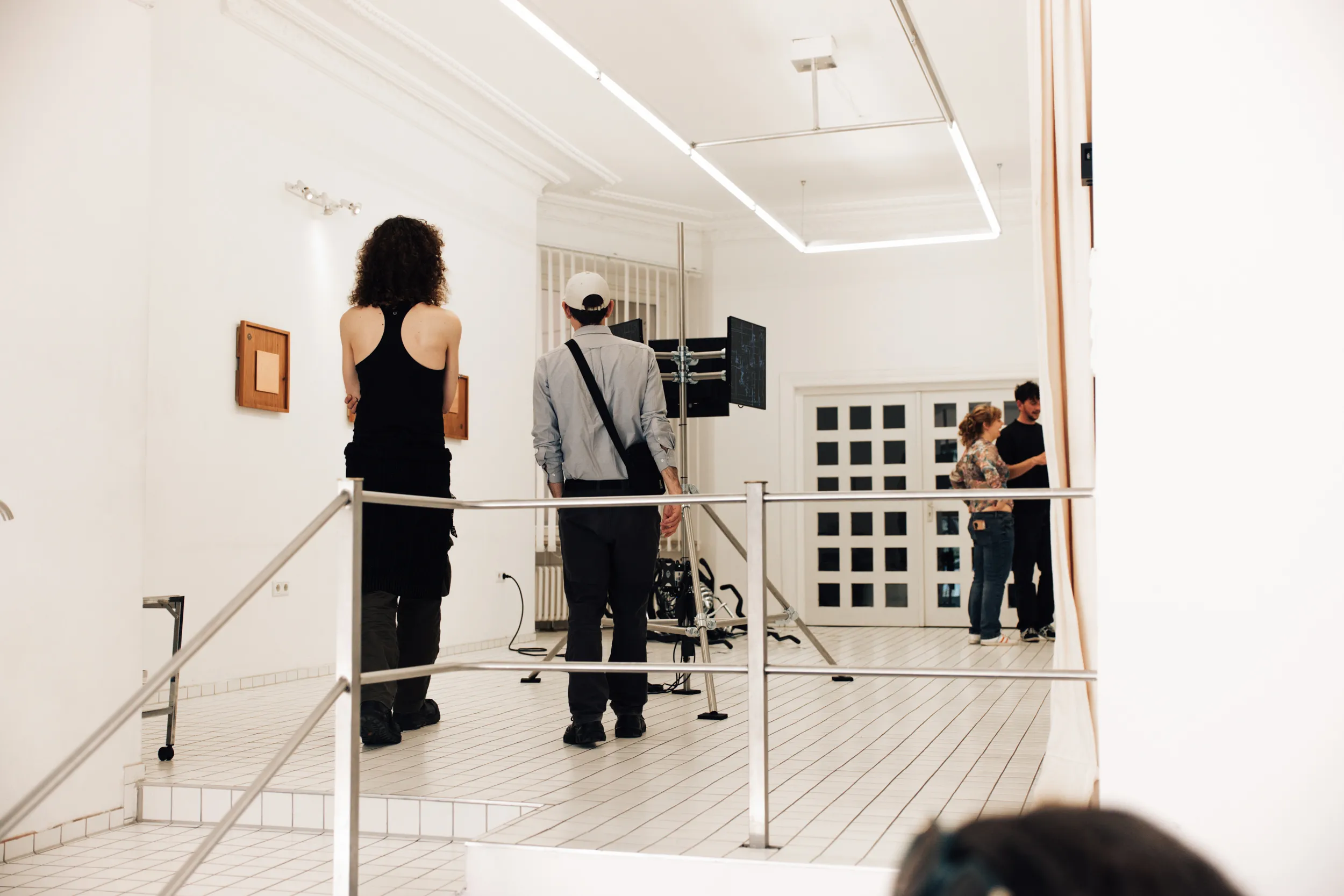
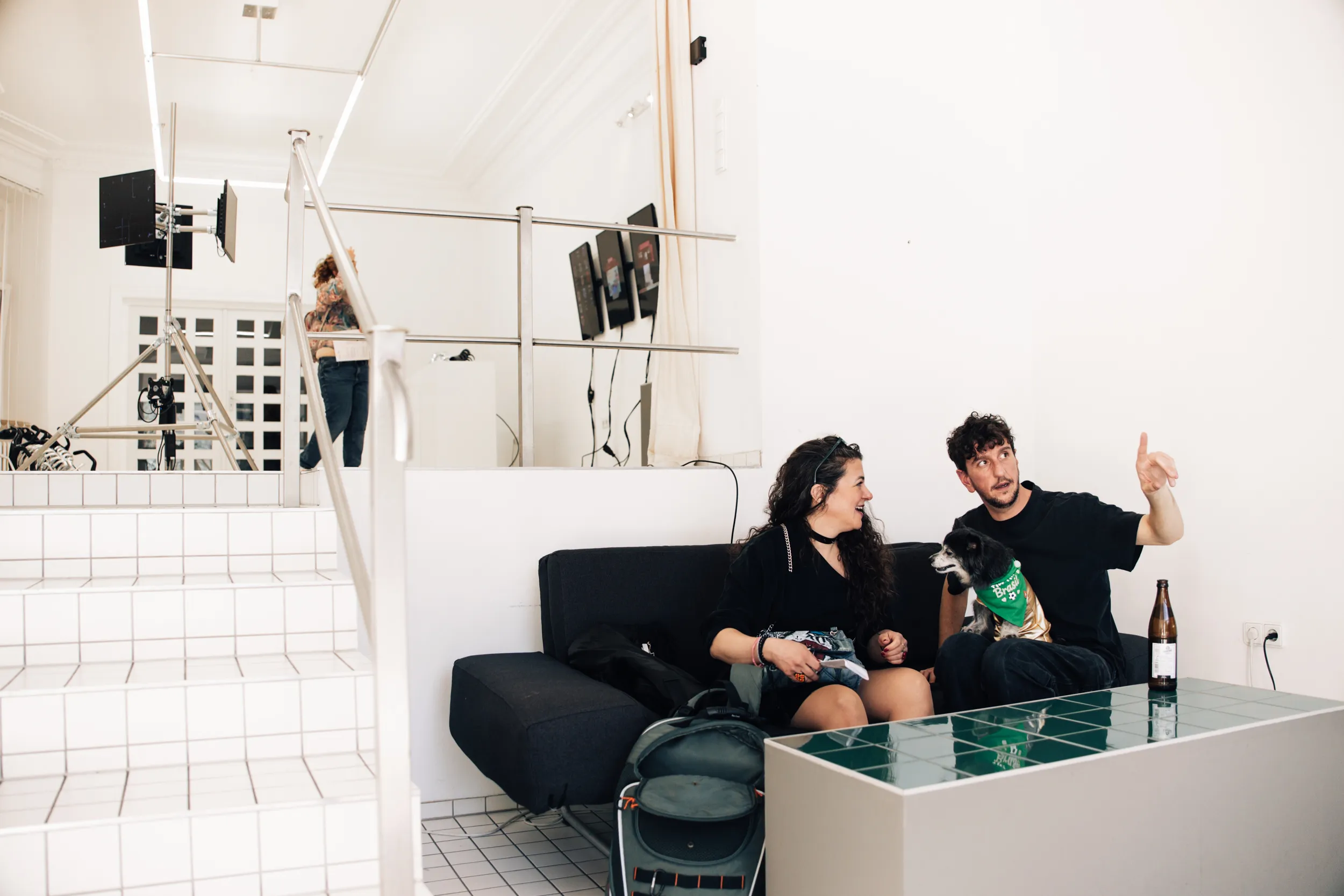

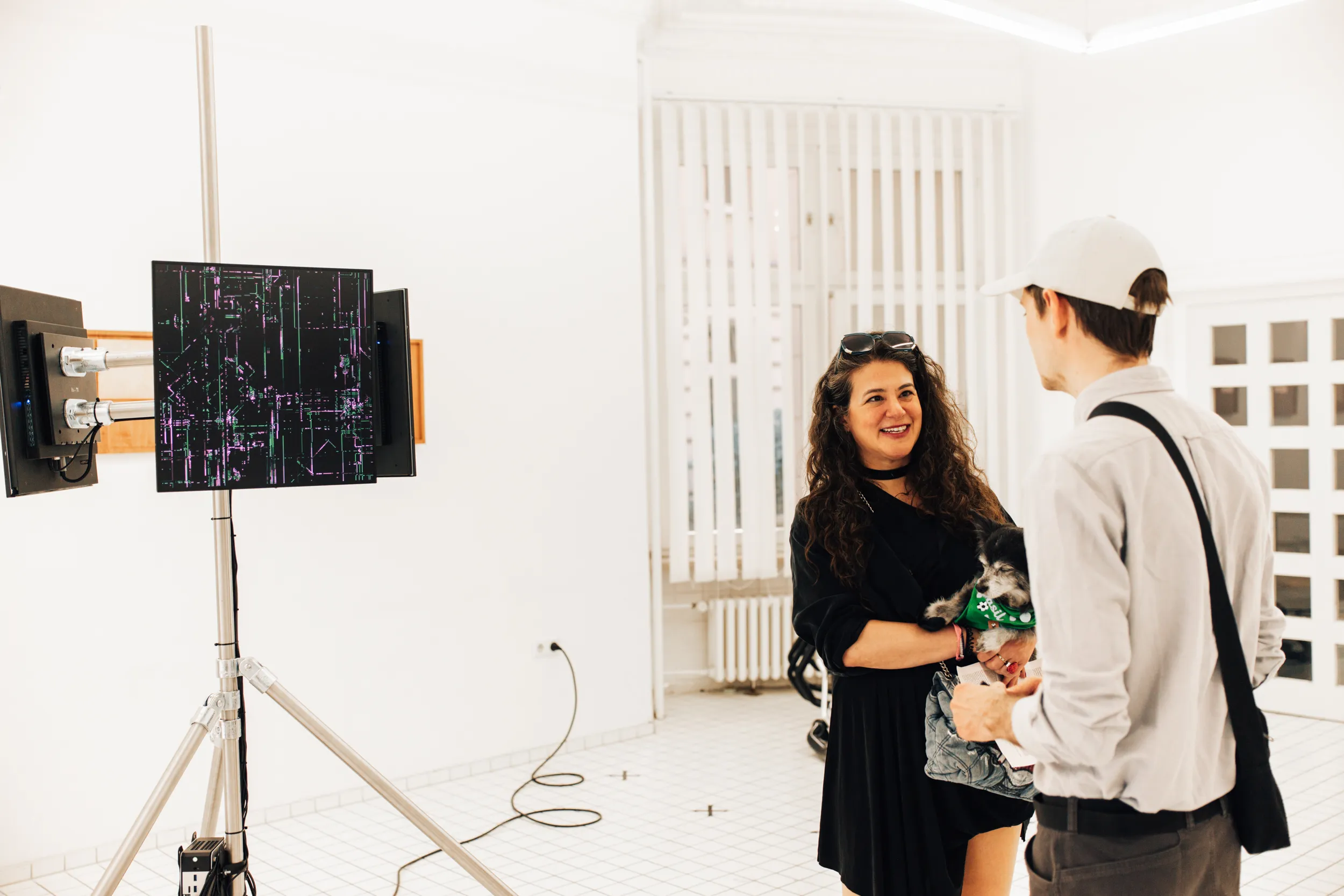

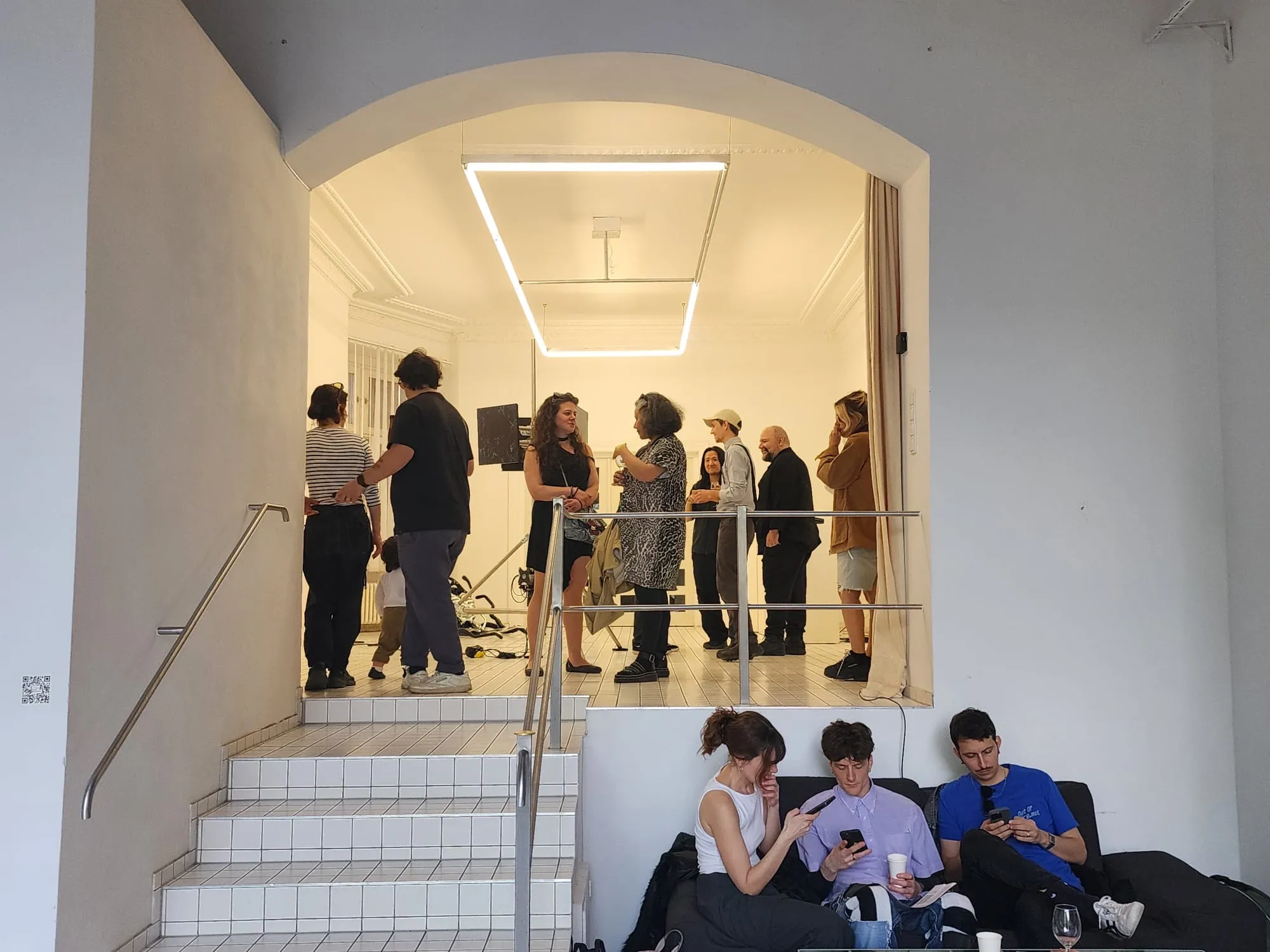

Our May exhibition brought together artists interrogating privacy, data sovereignty, and censorship resistance through work that is as technically radical as it is thought-provoking. Photos by Cherie Birkner.
No, all documentation should be submitted in English.
The only requirement is that at least one artist in the project be based in the European Union. For solo creators, they must be based in the EU.
No, but you do need to be based in the European Union. Eventually, we’ll branch out to other locations.
You’ll have to wait until the next cohort. BUT! In the short term, you can join our Luma calendar to be notified of future events and calls.
Get in touch at grants[at]justopensource.io